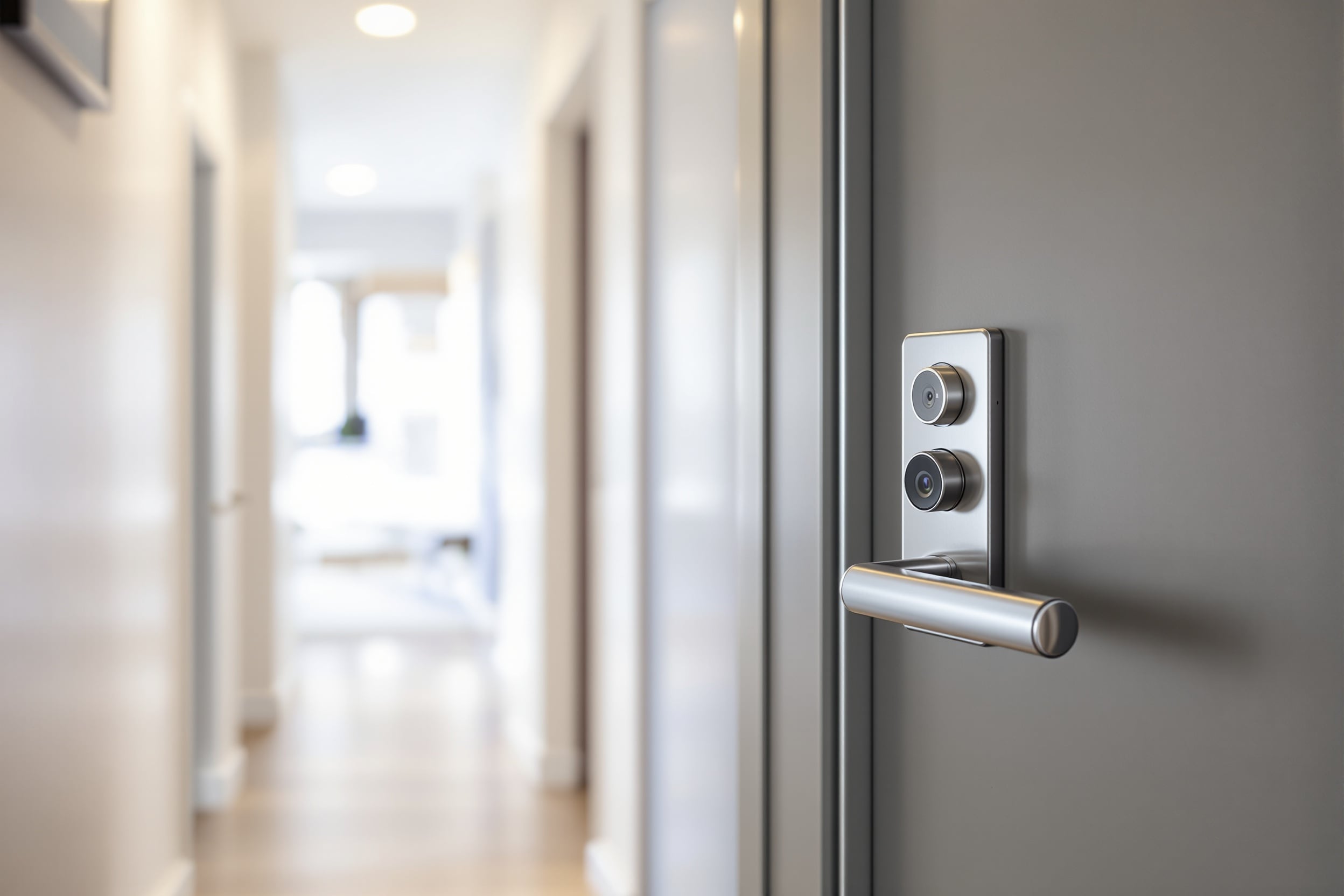
City home defense is no longer optional for urban residents in 2026. With rising property crime rates in metropolitan areas, protecting your apartment or city home requires a strategic, layered approach that goes far beyond a simple deadbolt lock. This professional guide to city home defense covers everything you need to know — from hardening your entry points to building a complete urban security system.
Whether you rent a studio apartment or own a townhouse, these city home defense strategies will help you create multiple layers of protection that deter, detect, delay, and defend against threats. Every recommendation in this guide has been tested in real urban environments and adapted for the unique challenges city dwellers face.
Why City Home Defense Is Different from Rural Security
City home defense presents unique challenges that rural homeowners never encounter. In dense urban environments, you’re dealing with shared walls, limited exterior space, building regulations, and proximity to potential threats. Understanding these differences is the first step toward effective city home defense.
Urban homes typically have multiple vulnerability points: main entry doors, windows accessible from fire escapes, shared hallways, and parking garage access points. Unlike rural properties where distance provides a natural buffer, city homes require concentrated defensive layers within a compact space.
The good news? Modern city home defense technology has evolved dramatically. Smart security systems, reinforced door hardware, and wireless alarm systems make it possible to create fortress-level protection without permanent modifications — perfect for renters and homeowners alike.
The 4 Layers of Effective City Home Defense
Professional security experts recommend a four-layer approach to city home defense. Each layer serves a specific purpose and works together to create comprehensive protection.
Layer 1: Deterrence — Making Your Home a Hard Target
The first layer of city home defense focuses on deterrence. Most urban criminals are opportunistic — they choose the easiest target available. Your goal is to make your home look like more trouble than it’s worth.
- Visible security cameras — Even dummy cameras reduce break-in attempts by up to 50%
- Smart lighting — Motion-activated lights at entry points signal an alert household
- Security system signage — Display stickers from reputable alarm companies
- Reinforced door frames — Visible strike plate reinforcement tells experienced criminals to move on
For apartment dwellers, check out our guide on the best apartment security devices for renters for non-permanent deterrence options that won’t violate your lease.
Layer 2: Detection — Early Warning Systems
Detection is the second critical layer of city home defense. You need to know about threats before they reach your door. Modern detection systems for urban homes include:
- Smart doorbell cameras — Ring, Nest, or Eufy doorbells provide 24/7 monitoring with motion alerts
- Window and door sensors — Wireless sensors that alert your phone when opened
- Glass break detectors — Acoustic sensors that detect the sound of breaking glass
- Motion sensors — Interior PIR sensors for when you’re away
- Smart locks with activity logs — Track every entry and exit with timestamps
Developing strong urban situational awareness complements your electronic detection systems. Technology fails; trained observation skills don’t.
Layer 3: Delay — Buying Time When It Matters
If deterrence and detection fail, the delay layer of city home defense buys you critical time to respond. Every second counts during a home invasion, and these measures can add minutes to an intruder’s timeline:
- Door reinforcement kits — Products like Door Armor or StrikeMaster II Pro can withstand multiple kicks
- Security film on windows — 3M Safety Film holds glass together even after impact
- Secondary locks — Chain locks, door bars, and floor-mounted door stops
- Interior door reinforcement — Strengthen your bedroom door as a last line of defense
Layer 4: Defense — Your Last Resort Plan
The final layer of city home defense is your personal defense plan. This includes:
- Safe room designation — Identify the most defensible room in your home (usually the master bedroom)
- Communication plan — Keep a charged phone in your safe room; know your local emergency response times
- Emergency supplies — Flashlight, first aid kit, and phone charger in your safe room
- Family action plan — Everyone in the household should know exactly what to do
🔒 Essential Security Gear We Recommend
Strengthen your apartment security with these professional-grade tools. All items are renter-friendly — no permanent modifications required.
Browse Security Equipment →Affiliate links help support this site at no cost to you.
Door Reinforcement: The #1 City Home Defense Upgrade
According to FBI statistics, over 65% of home burglaries involve forced entry through a door. This makes door reinforcement the single most impactful city home defense upgrade you can make.
How to Reinforce Your Front Door
Most apartment and city home doors fail at three points: the strike plate, the door frame, and the hinges. Here’s how to address each weakness:
- Upgrade the strike plate — Replace the standard 1-inch screws with 3.5-inch screws that anchor into the wall stud. Install a reinforced strike plate that distributes force across a larger area.
- Reinforce the door frame — Door frame reinforcement kits wrap the vulnerable areas with steel plates. The Door Armor MAX kit is the gold standard for city home defense.
- Secure the hinges — Replace hinge screws with 3.5-inch versions. Add hinge pins or security studs to prevent door removal.
- Add a door bar or security bar — Floor-mounted door bars like the Buddybar provide incredible resistance against forced entry.
- Install a smart deadbolt — Grade 1 deadbolts with smart features give you both strength and convenience.
This entire upgrade can be completed in under two hours and costs less than $150 — making it the best return on investment for city home defense.
Window Security for Urban Apartments
Windows are the second most common entry point for urban break-ins. City home defense for windows requires a different approach depending on your floor level and window type.
Ground Floor and Fire Escape Windows
These are your highest-risk windows. Effective city home defense measures include:
- Window security film — Apply 8-mil or thicker security film to hold glass together after impact
- Window locks and pins — Add secondary locks that prevent windows from being opened more than a few inches
- Window alarms — Vibration-sensing alarms that trigger when glass is disturbed
- Security bars (removable) — Quick-release interior bars that provide maximum protection while allowing emergency egress
Upper Floor Windows
While less vulnerable, upper floor windows still need attention in your city home defense plan:
- Window sensors connected to your alarm system
- Locking mechanisms on all accessible windows
- Privacy film to prevent visual surveillance of your home’s interior
Smart Home Security Systems for City Home Defense
Modern smart home security has revolutionized city home defense. The best systems for urban environments in 2026 offer:
Top Recommended Systems
- SimpliSafe — No contract, easy installation, perfect for renters. Includes door/window sensors, motion detectors, and 24/7 monitoring.
- Ring Alarm Pro — Integrates with Ring cameras and doorbells for a complete ecosystem. Built-in Wi-Fi 6 router with backup internet.
- Abode — Highly customizable with support for Z-Wave, Zigbee, and HomeKit devices. Great for tech-savvy urban preppers.
When choosing a system for city home defense, prioritize: cellular backup (in case internet is cut), battery backup (for power outages), and professional monitoring with fast police dispatch.
Building a Safe Room in Your City Home
A safe room is the ultimate city home defense feature. In an urban setting, you don’t need a purpose-built bunker — you need a reinforced room that buys you time until help arrives.
Converting a Bedroom into a Safe Room
- Reinforce the door — Install a solid-core door with a Grade 1 deadbolt and door reinforcement kit
- Stock emergency supplies — First aid kit, flashlight, charged phone, water, and any necessary medications
- Install communication — Keep a landline or charged cell phone; consider a two-way radio
- Add a secondary lock — A door bar or barricade device provides additional security
Your safe room should be part of your broader urban survival strategy. Build your apartment emergency kit and keep critical supplies in your designated safe room.
City Home Defense on a Budget
You don’t need thousands of dollars for effective city home defense. Here’s a prioritized budget plan:
Under $50: Essential Basics
- Door reinforcement screws (3.5-inch) — $8
- Door security bar — $25
- Window pins/locks — $12
- Security system stickers/signs — $5
Under $200: Solid Protection
- Everything above, plus:
- Door frame reinforcement kit — $75
- Smart doorbell camera — $60
- Window/door alarm sensors (4-pack) — $30
Under $500: Comprehensive Defense
- Everything above, plus:
- Complete smart security system with monitoring — $200
- Window security film — $50
- Smart deadbolt lock — $150
City Home Defense for Renters
Renters face unique city home defense challenges — you can’t make permanent modifications, and you need portable solutions. The good news is that most modern security products are designed with renters in mind.
Key renter-friendly city home defense products include:
- Portable door locks — Travel locks that work from inside without modification
- Adhesive-mount cameras — No drilling required
- Wireless alarm systems — Completely removable when you move
- Door reinforcement bars — No installation needed
For a complete list of renter-approved security products, see our detailed guide on apartment security devices for renters.
Common City Home Defense Mistakes to Avoid
Even well-intentioned city home defense efforts can backfire. Avoid these common mistakes:
- Relying on a single layer — A camera without an alarm, or a lock without reinforcement, leaves gaps
- Ignoring the human element — Technology supplements awareness; it doesn’t replace it
- Forgetting about fire safety — Security measures must allow emergency egress
- Neglecting digital security — Smart home devices need strong passwords and updated firmware
- Not testing your systems — Monthly tests ensure everything works when you need it
City Home Defense Checklist
Use this checklist to assess and improve your city home defense posture:
- ☐ Front door reinforced (strike plate, frame, hinges)
- ☐ Deadbolt installed (Grade 1 or 2)
- ☐ All windows have secondary locks
- ☐ Security system installed and monitored
- ☐ Cameras covering entry points
- ☐ Motion-activated exterior lighting
- ☐ Safe room designated and stocked
- ☐ Family emergency plan established
- ☐ Neighbors aware of your security setup
- ☐ Monthly system tests scheduled
Download our complete urban prepper checklist for a comprehensive 30-90 day action plan that includes city home defense alongside other preparedness priorities.
Frequently Asked Questions About City Home Defense
What is the most effective city home defense upgrade?
Door reinforcement is the most effective city home defense upgrade. Since over 65% of break-ins occur through doors, reinforcing your strike plate, door frame, and hinges with a kit like Door Armor MAX provides the highest return on investment for under $100.
Can renters implement city home defense measures?
Yes, renters can implement effective city home defense using non-permanent solutions like portable door locks, wireless alarm systems, adhesive-mount cameras, and door security bars. Most modern security products require no drilling or permanent modification.
How much does a complete city home defense system cost?
A comprehensive city home defense system costs between $300 and $800 for most urban apartments. This includes door reinforcement ($75-150), a smart security system ($150-300), cameras ($60-200), and window security measures ($50-100).
Do smart security systems work during power outages?
Quality smart security systems include battery backup that lasts 24-48 hours and cellular communication backup. Systems like SimpliSafe and Ring Alarm Pro continue operating during power outages, which is essential for reliable city home defense.
What should I keep in my safe room?
Your city home defense safe room should contain: a charged cell phone or landline, flashlight with extra batteries, first aid kit, water bottles, any necessary medications, a door barricade device, and a list of emergency contacts including local police non-emergency and emergency numbers.
Final Thoughts on City Home Defense
Effective city home defense is about creating multiple layers of protection that work together. No single product or strategy provides complete security — but a well-planned combination of deterrence, detection, delay, and defense measures can make your urban home significantly safer.
Start with the highest-impact upgrades (door reinforcement and a basic alarm system), then build out your city home defense over time. Combine physical security with strong situational awareness habits and a solid urban survival plan for comprehensive protection.
Remember: the goal of city home defense isn’t to build an impenetrable fortress. It’s to make your home a harder target than the alternatives, detect threats early, and buy yourself time to respond effectively. With the strategies in this guide, you’re well on your way to achieving exactly that.
🛡️ Complete Your Home Defense Setup
Don’t leave gaps in your security. Our recommended bundle includes door reinforcement, window alarms, and a smart camera — all apartment-friendly.
See Complete Security Bundle →As an Amazon Associate, we earn from qualifying purchases. See our editorial policy.