Affiliate Disclosure: To support our research, some links on this site may be affiliate links. If you make a purchase, we may receive a commission at no extra cost to you. We only recommend gear we trust. You can use our free emergency kit tool for a personalized plan.
Food Storage Rotation: The FIFO Method for Emergency Preppers
The most common emergency food storage failure isn’t buying the wrong food — it’s letting good food expire on the shelf. Studies show that the average American household wastes 30–40% of its food supply. For preppers with dedicated emergency stockpiles, the waste rate can be even higher because emergency food sits untouched until it’s too late. The solution is systematic rotation using the FIFO method, and it takes less than 10 minutes per month to maintain. For more details, check out our guide on Emergency Food Supply List: 30-Day Stockpile for Small Spaces. You can use our free storage calculator for a personalized plan.
For the broader preparedness framework, see our complete food and water preparedness guide.
What Is Food Storage Rotation?
Food storage rotation is the practice of cycling through your emergency food supply so that the oldest items get consumed first and replaced with fresh purchases. The goal is simple: your emergency stockpile should always contain food that’s within its shelf life and ready to eat at a moment’s notice. Without rotation, you end up with a closet full of expired cans that you discover during the exact emergency when you need them most. For official guidelines, see FEMA.
Why Rotation Matters — The Hidden Cost of Waste
Consider this scenario: you spend $200 building a 2-week emergency food supply. Without rotation, roughly 20–30% of that food will expire before you use it — that’s $40–60 wasted. Over 5 years of maintaining an emergency pantry, poor rotation can cost you $200–300 in wasted food. Proper rotation costs you nothing except a few minutes of organization each month.
Beyond the financial cost, expired food in your emergency supply creates a dangerous false sense of security. You think you have 2 weeks of food, but after removing expired items, you might only have 4–5 days of safe, nutritious food. Rotation isn’t just about saving money — it’s about ensuring your supply actually works when you need it.
The FIFO Method Step-by-Step
👉 Build your custom Emergency Kit here
FIFO stands for First In, First Out. It’s the same inventory management system used by grocery stores, restaurants, and warehouses worldwide. Here’s how to implement it in your home:
Step 1: Organize Your Current Supply
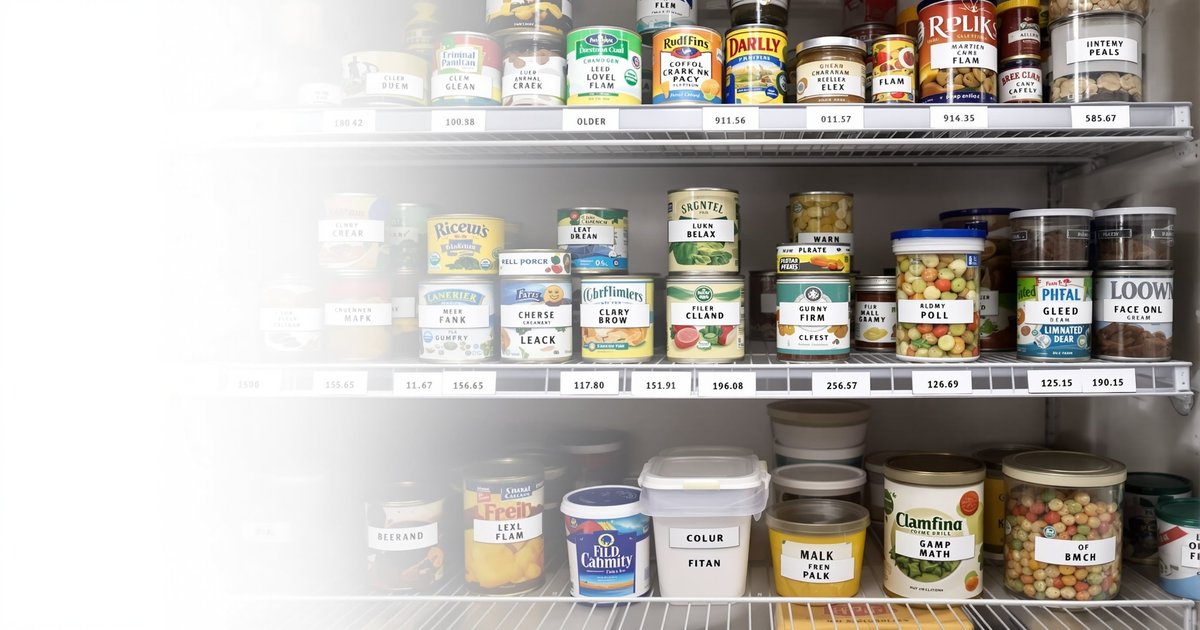
Pull everything out of your emergency food storage. Group items by category (grains, proteins, canned goods, etc.) and sort each group by expiration date — earliest dates in front, latest dates in back. Discard anything that’s already expired or shows signs of damage (dented cans, broken seals, pest damage). The Ready.gov provides additional emergency preparedness resources.
Step 2: Label Everything
Use a permanent marker to write the purchase date and expiration date on the front of every item in large, visible text. Many canned goods have expiration dates stamped in tiny print on the bottom — transferring this to the front saves time during rotation checks. For items without printed dates (bulk rice, beans in Mylar bags), write the packaging date and your calculated expiration date.
Step 3: Set Up Your Storage System
Arrange your storage so that consuming from the front and restocking from the back is natural and easy:
- Shelves: Oldest items at the front, newest at the back. When you add new purchases, place them behind existing stock.
- Can organizers: FIFO can dispensers (like the Shelf Reliance Cansolidator) automatically rotate — you load from the top and dispense from the bottom. These are the single best investment for canned goods rotation.
- Bins/buckets: For bulk items, label bins with contents and date. When you open a bin, start a new one and move the old one to the “use first” position.
Step 4: Monthly Rotation Check (10 Minutes)
Set a monthly calendar reminder to scan your emergency food supply. During each check: You can also explore our prepper planning checklist for more details.
- Pull any items expiring within the next 3 months to your regular kitchen pantry for immediate use
- Check for damaged packaging, pest signs, or moisture
- Update your inventory list (add new purchases, remove consumed items)
- Note any categories that need restocking on your next grocery run
Step 5: Integrate with Regular Shopping
The most sustainable rotation system treats your emergency supply as an extension of your regular pantry. When you buy canned tuna for dinner, buy two extra cans for your emergency supply. When you pull emergency rice for a regular meal, add it to your shopping list. This “store what you eat, eat what you store” approach makes rotation automatic rather than a separate chore.
Simple Labeling System That Actually Works
The best rotation system fails without clear labeling. Here’s the most reliable method for apartment preppers:
The Sharpie + Masking Tape Method: Use blue painter’s tape (doesn’t leave residue) and a black permanent marker. Write the purchase date on tape and stick it to the front of each item. For items stored in bins, label the bin with “Exp: [month/year range].”
Color-Coding Option: Use different colored tape for different expiration years:
- Red tape = Expires 2026
- Yellow tape = Expires 2027
- Green tape = Expires 2028
This visual system lets you spot expiring items at a glance without reading every label.
Best Storage Containers for Easy Rotation
| Container | Best For | FIFO Friendly? | Price Range |
|---|---|---|---|
| FIFO Can Organizer | Canned goods | ⭐⭐⭐⭐⭐ (automatic) | $20–40 |
| 5-Gallon Buckets + Gamma Lids | Bulk grains, beans | ⭐⭐⭐ (manual) | $8–15 each |
| Mylar Bags + O₂ Absorbers | Long-term dry goods | ⭐⭐ (sealed, no rotation needed) | $15 for 50 |
| Clear Stackable Bins | Mixed items, visibility | ⭐⭐⭐⭐ (see contents) | $10–20 each |
| Wire Shelf Racks | Cans, jars, boxes | ⭐⭐⭐⭐ (front access) | $25–50 |
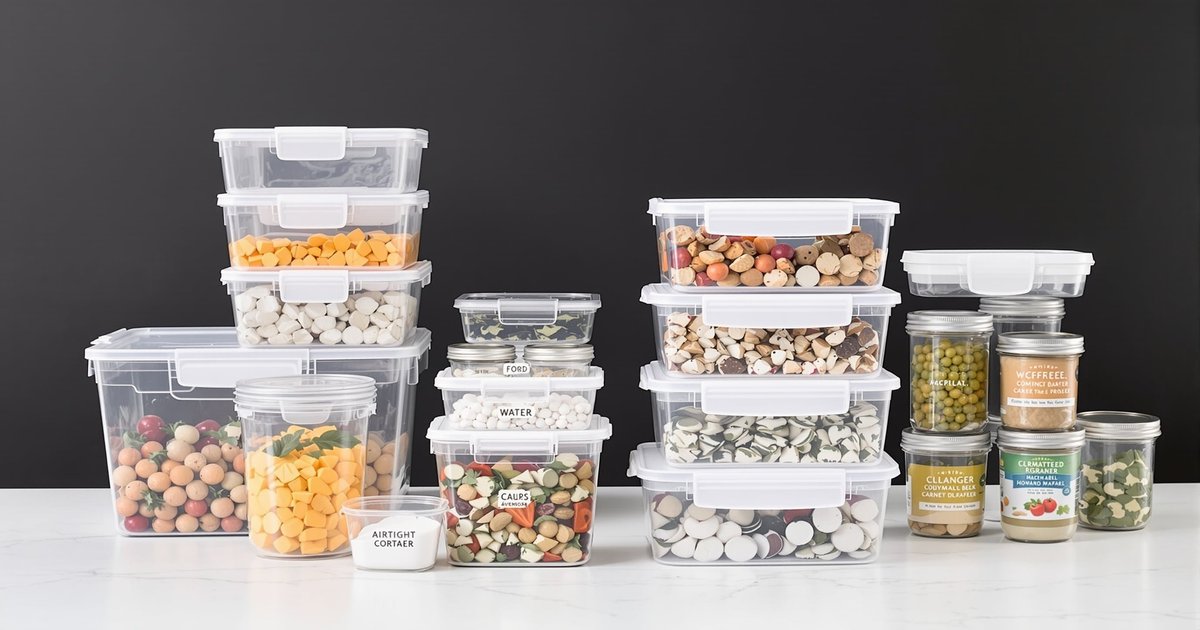
Top recommendation: A FIFO can organizer for your canned goods (the bulk of most emergency supplies) plus 5-gallon buckets with gamma lids for bulk staples. The can organizer alone eliminates 80% of rotation effort for canned goods. You can use our free water calculator for a personalized plan.
Common Rotation Mistakes Urban Preppers Make
Mistake 1: “Set It and Forget It” Mentality
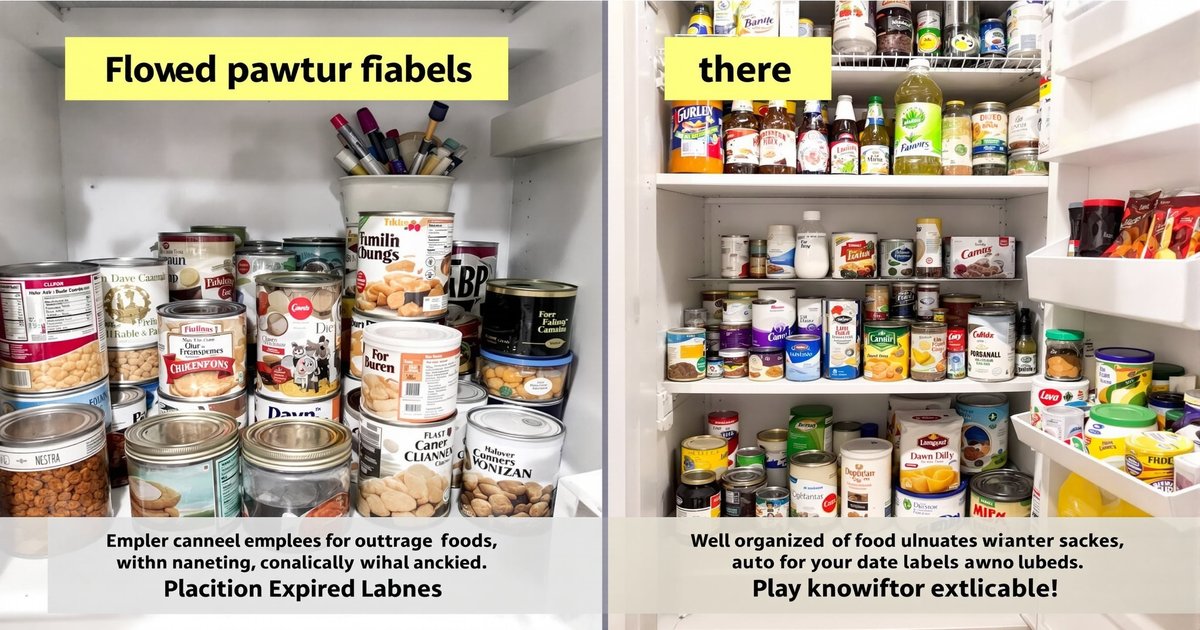
Building an emergency food supply feels like a one-time project, but it’s actually an ongoing system. The most common failure mode is buying a bunch of food, storing it, and never checking it again until an emergency hits — only to find half of it expired. Monthly 10-minute checks prevent this entirely.
📖 Related reading: Portable Water Filters Emergency: Top 5 Compact Purifiers for Urban Survival For more details, check out our guide on How to Purify Water at Home: 7 DIY Methods That Work in Emergencies.
Mistake 2: Storing Food You Don’t Normally Eat
If your family doesn’t eat canned sardines during normal life, they won’t eat them during an emergency either — and those cans will sit until they expire. Stock foods your family already enjoys. Emergency situations are stressful enough without adding unfamiliar, unappetizing food to the mix.
Mistake 3: No Written Inventory
Relying on memory leads to duplicate purchases of items you already have plenty of, while other categories run low. A simple spreadsheet or printed list with item, quantity, purchase date, and expiration date takes 15 minutes to create and saves hours of confusion over time.
Mistake 4: Ignoring Storage Conditions
Heat is the #1 enemy of stored food. Every 10°F increase in storage temperature roughly halves the shelf life of canned goods. A can of tuna rated for 5 years at 70°F might only last 2–3 years in a garage that hits 90°F in summer. Store food in the coolest, most temperature-stable location in your home — typically an interior closet or under a bed away from exterior walls.
Shelf Life Quick Reference Chart
| Food Category | Shelf Life (Sealed) | Rotation Frequency |
|---|---|---|
| White rice (Mylar + O₂ absorber) | 25–30 years | No rotation needed |
| Dried beans (Mylar + O₂ absorber) | 25–30 years | No rotation needed |
| Freeze-dried meals | 25–30 years | No rotation needed |
| Honey | Indefinite | No rotation needed |
| Salt, sugar | Indefinite | No rotation needed |
| Canned meats | 3–5 years | Every 2–3 years |
| Canned vegetables/fruits | 2–5 years | Every 1–2 years |
| Peanut butter | 1–2 years | Every 6–12 months |
| Oats | 1–2 years (sealed) | Every 6–12 months |
| Crackers, granola bars | 6–12 months | Every 3–6 months |
| Cooking oil | 1–2 years | Every 6–12 months |
Need to build your pantry first? See our emergency food supply list with 47 essential items and budget tiers. Learn more in our complete food & water preparedness guide. And don’t forget the water side of your preparedness — use our water storage calculator to plan your water supply alongside your food rotation system.
Digital Tools for Tracking Food Storage
For tech-savvy preppers, digital tracking can simplify inventory management:
Spreadsheet Method: Create a simple Google Sheet with columns for item name, quantity, purchase date, expiration date, and location. Sort by expiration date to quickly identify what needs rotation.
Inventory Apps: Apps like “Preppers Pantry” or “Food Storage Tracker” let you scan barcodes and set expiration reminders. Most are free and sync across devices.
Simple Note Method: Keep a running list in your phone’s notes app. Update it during your monthly inventory check.
Frequently Asked Questions
Why should food be rotated during storage?
Food rotation prevents waste, ensures your emergency supply is always within its shelf life, and maintains nutritional quality. Without rotation, you risk discovering expired food during an emergency when you need it most. Proper FIFO rotation also saves money by ensuring you consume food before it expires.
What is the best method of stock rotation?
FIFO (First In, First Out) is the universally recommended stock rotation method. New items go to the back of your storage; you consume from the front. This ensures the oldest items are always used first. FIFO can organizers automate this process for canned goods.
How often should I rotate my emergency food supply?
👉 Make sure your supplies fit your space
Perform a monthly 10-minute check of your emergency food supply. Pull items expiring within 3 months into your regular kitchen for immediate use. Do a comprehensive inventory review quarterly. Items with very long shelf lives (rice in Mylar, freeze-dried meals) don’t need rotation — just periodic condition checks.