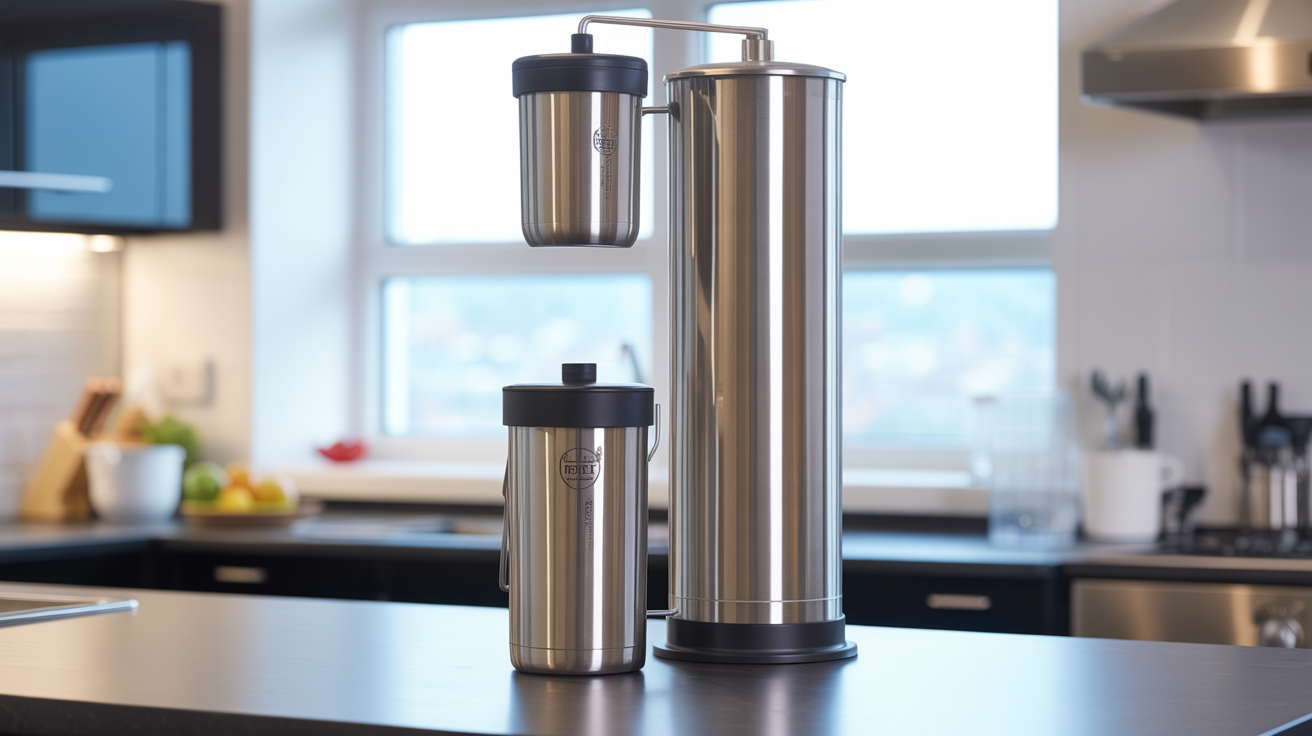
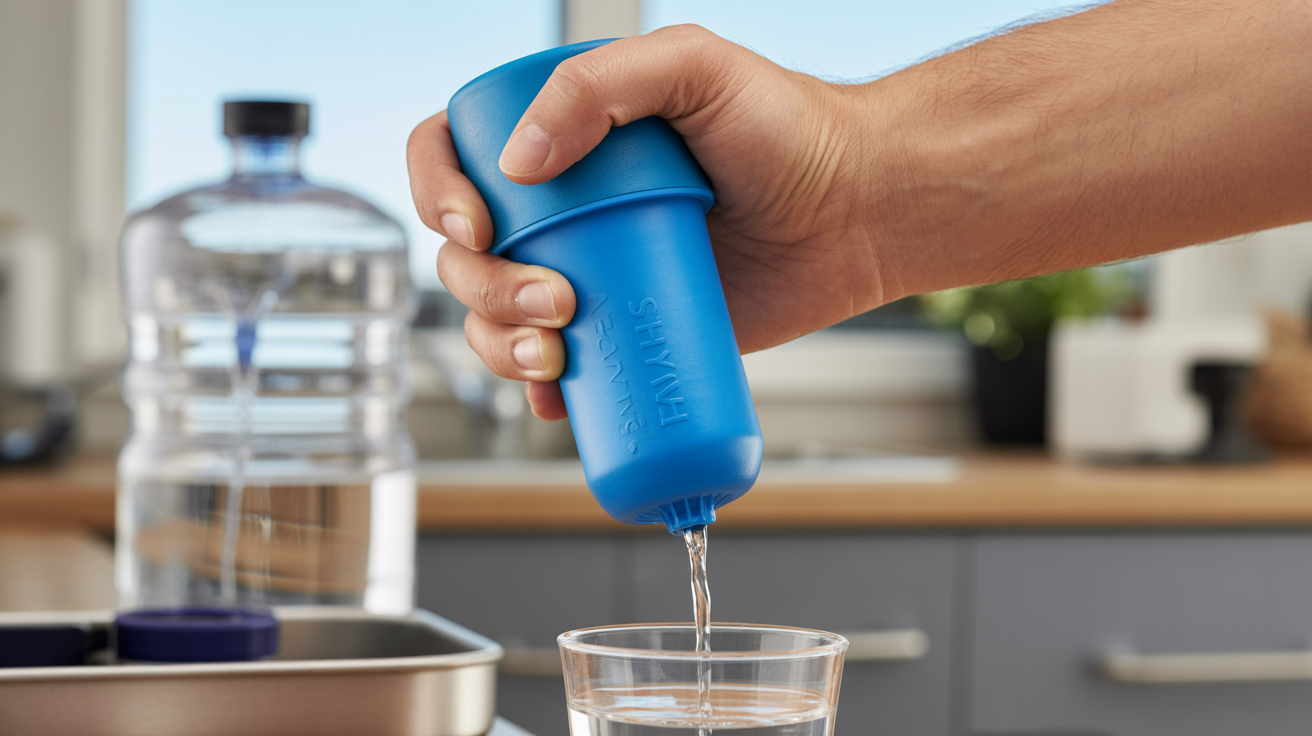
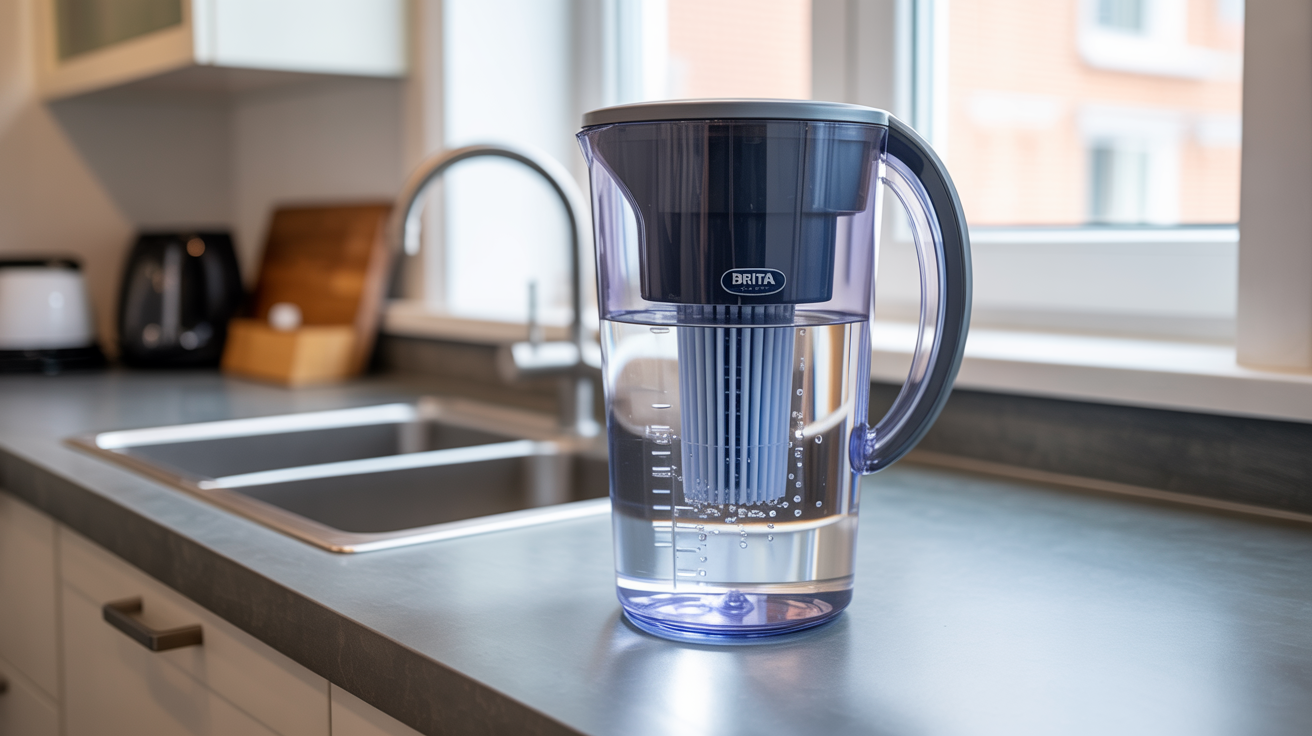
The best water filters for apartments include gravity-fed systems (Berkey, ProPur), portable squeeze filters (Sawyer, LifeStraw), and countertop options (Epic Pure, Brita). Gravity filters offer the highest capacity for emergencies, portable filters provide backup during evacuations, and countertop units serve as daily-use systems with emergency backup capability. All three types address water contamination, infrastructure failure, and supply disruptions common in urban environments.
Water security is one of the most overlooked aspects of urban emergency preparedness. In apartments, where tenants often lack control over building infrastructure or storage space, choosing the right water filtration system becomes critical. Whether facing temporary contamination, supply disruptions, or extended outages, apartment dwellers need flexible, space-efficient solutions that don’t require plumbing modifications. This guide walks you through the best filtration options specifically designed for apartment living in 2026.
Comparison Table: Water Filter Systems for Apartments
Filter Type
Capacity
Cost
Best For
Setup Time
Gravity-Fed (Berkey)
2-6 gallons
$300-$400
Emergency reserves
5 minutes
Portable Squeeze (Sawyer)
32-100 oz
$20-$50
Evacuation backup
Instant
Countertop (Epic Pure)
750 gallons
$200-$300
Daily + emergency use
10 minutes
Pitcher (Brita)
10 gallons/month
$25-$40
Budget daily option
2 minutes
Faucet-Mounted (PUR)
100 gallons/month
$30-$60
Permanent installation
15 minutes
Who This Guide Is For
This guide is essential if you:
Live in an apartment without access to well water or alternative supplies
Have experienced water main breaks, boil-water notices, or contamination alerts in your area
Want to reduce dependence on bottled water during emergencies
Face limited storage space and need compact filtration solutions
Are concerned about chemical contaminants, bacteria, or sediment in municipal supply
Gravity-Fed Filtration Systems: Maximum Emergency Capacity
Gravity-fed filters represent the gold standard for apartment emergency preparedness. Systems like the Big Berkey and ProPur combine large capacity with zero maintenance, requiring no electricity, batteries, or replacement cartridges during initial setup. These systems filter water passively by stacking upper and lower chambers, allowing gravity to push water through ceramic filters that remove bacteria, protozoa, and many chemical contaminants.
The Big Berkey processes 2-3 gallons daily without electricity and can store several gallons of filtered water, providing reserves for multi-day disruptions. The system fits under most apartment kitchen sinks and operates at room temperature. Replacement filters cost $40-60 and last 2-5 years depending on water quality. For apartment dwellers stockpiling for emergencies, gravity systems offer the highest filtered-water capacity without ongoing logistics.
Installation requires zero modifications: place the system on a countertop or shelf, fill the upper chamber with tap water, and gravity handles the rest. Some models include tamper-evident seals and portability handles for evacuations. The primary limitation is slow processing speed (typically 2-3 gallons daily) and the learning curve around filter maintenance, but this investment pays dividends during extended water supply disruptions common in urban infrastructure failures.
Portable Squeeze Filters: Evacuation-Ready Backup
Portable squeeze filters like Sawyer PointONE and LifeStraw offer apartment renters an evacuable backup that weighs ounces and costs under $50. These systems use hollow-fiber membranes to filter bacteria, protozoa, and sediment from any water source—tap water, bottles collected before evacuation, or outdoor sources. The PointONE removes 99.99% of bacteria and protozoa with minimal maintenance.
Keep a squeeze filter in your best urban survival gear 2026 collection and on your person during evacuations. The Sawyer PointONE attaches directly to water bottles, allowing you to filter and drink during transit. Each filter processes up to 100,000 gallons, meaning one backup filter covers an entire year of emergency water needs. The learning curve is zero—attach, squeeze, drink—making these ideal for family members with minimal preparedness training. At under $50, every apartment resident should own one for their urban survival gear collection.
Disadvantages include slow squeeze-rate (requires hand pressure for each drink) and single-person design. Squeezers don’t store filtered water; they filter as you drink. During sheltering scenarios where you need large volumes for washing or cooking, squeeze filters become impractical. Combine squeeze filters with gravity systems or countertop units to cover both evacuation and shelter-in-place scenarios.
Countertop Filtration: Daily Use Meets Emergency Backup
Countertop filters like Epic Pure and TAPP Water bridge the gap between daily convenience and emergency capacity. These systems sit permanently on your counter, integrate with your existing tap, and filter 750-1000 gallons before cartridge replacement. Unlike under-sink or whole-home systems requiring plumbing modification (impossible in most rental apartments), countertop filters involve zero installation headaches and immediate portability if you evacuate.
Epic Pure systems remove chlorine, sediment, and most volatile organic compounds (VOCs) while maintaining water pressure suitable for cooking, drinking, and filling emergency containers. The cartridges last 6-12 months and cost $50-80 per replacement. During extended water disruptions, you can pre-fill storage containers using your countertop system before supply becomes compromised. This proactive filling approach turns daily-use systems into emergency reserve generators.
Choose countertop systems if you rent, value daily convenience, and want seamless emergency integration. When combined with gravity-fed backup and portable squeeze filters, countertop units complete a comprehensive apartment water security strategy. For detailed storage planning, reference the urban water storage guide to calculate capacity across all three system types.
Budget Options: Pitcher and Faucet-Mounted Filters
Brita and PUR offer budget-conscious entry points for apartment water filtration. Pitcher filters cost $25-40 with cartridges at $10-15 each, making them accessible to renters on tight budgets. They reduce chlorine, sediment, and some heavy metals while improving taste. Faucet-mounted filters attach directly to your existing tap (removing easily for evacuation) and provide 100+ gallons of filtered water monthly at similar price points.
These options excel for daily use and chlorine reduction but lack the microbial filtration of gravity or squeeze systems. During contamination events requiring bacterial removal, pitcher and faucet filters prove insufficient. However, stacking budget filters with portable squeeze backups creates an affordable, layered approach. Use daily pitcher or faucet systems for routine chlorine reduction; deploy squeeze filters if contamination events occur.
Combining Systems: Your Apartment Water Security Strategy
Apartment water security demands multiple redundant systems addressing different scenarios. A comprehensive approach combines:
Tier 1: Daily Use
Pitcher filters or countertop systems handle routine drinking and cooking while reducing chlorine and sediment. These normalize filtered water consumption, making emergency usage seamless. Running your daily system ensures you’re familiar with maintenance before disruptions occur.
Tier 2: Shelter-in-Place Reserves
Gravity-fed systems like Berkey provide multi-day capacity when municipal supply becomes compromised but evacuation isn’t necessary. Pre-fill your gravity system during alert periods, storing filtered water in food-grade containers. For comprehensive storage planning, consult the emergency food supply apartment guide which addresses water integration within broader preparedness.
Tier 3: Evacuation Backup
Keep portable squeeze filters in your evacuation kit, vehicle, and work location. These weigh ounces but provide 100,000+ gallons of filtration, ensuring you can access clean water during displacement. Including these in your blackout preparedness apartment kit ensures water access even during power failures affecting municipal treatment facilities.
Filtration Effectiveness: What Each System Removes
Different contaminants require different filtration approaches. Activated carbon filters (most pitcher and countertop systems) remove chlorine, sediment, and volatile organic compounds but struggle with bacteria and viruses. Ceramic filters (gravity systems) remove bacteria and protozoa but don’t address chemical contaminants. Hollow-fiber membranes (squeeze filters) excel at microbial removal but require pressure applied by users.
For comprehensive protection, combine filtration types: use daily carbon filters for taste and chemical removal; deploy ceramic gravity systems when bacterial contamination occurs; carry squeeze filters for evacuation scenarios. Understanding each system’s limitations prevents false confidence. No single apartment filtration system removes all contaminants; layering approaches provides robust protection against diverse water threats.
Maintenance and Storage Best Practices
Filtration systems require basic maintenance to remain effective. Gravity-fed filters need cleaning every 2-3 months in high-sediment areas; ceramic filters can develop mold if stored wet. Squeeze filters deteriorate if frozen or allowed to dry completely. Store all systems in cool, dry locations away from direct sunlight. Keep replacement cartridges stockpiled at minimum one year’s worth, recognizing that supply chains may disrupt during extended emergencies.
Test your systems quarterly during normal conditions. Run water through gravity filters, squeeze a test bottle through portable systems, and verify countertop units produce filtered water at normal pressure. Familiarity during calm periods prevents frustration and errors during actual emergencies when decision-making suffers under stress.
Common Mistakes in Apartment Water Filtration
Mistake #1: Choosing Single-System Solutions
The Problem: Relying on one filtration type leaves you vulnerable to specific failure scenarios. A pitcher filter won’t provide bacterial protection; gravity systems fail if you evacuate mid-disruption.
The Fix: Implement layered systems addressing daily use, shelter-in-place, and evacuation scenarios.
Mistake #2: Ignoring Cartridge Inventory
The Problem: Exhausted filter cartridges render systems useless. Supply chain disruptions during emergencies make replacements unavailable.
The Fix: Maintain 12-24 months of cartridge inventory. Check expiration dates annually and rotate stock.
Mistake #3: Not Testing Systems Before Emergencies
The Problem: Discovering your system fails during an actual emergency means delayed access to clean water and increased sickness risk.
The Fix: Quarterly testing ensures systems function before crisis moments and familiarizes your household with operation.
Mistake #4: Over-Trusting Single-Micron Filters
The Problem: Some marketed “micron ratings” prove misleading; 1-micron filters don’t catch all bacteria or viruses depending on design.
The Fix: Verify NSF certifications and third-party testing before purchase. Gravity and hollow-fiber systems provide documented microbial protection.
Mistake #5: Neglecting Filter Storage Conditions
The Problem: Ceramic filters stored wet develop mold; squeeze filters frozen in vehicles lose effectiveness.
The Fix: Store filters dry and cool. Dry gravity ceramic filters completely before extended storage; keep squeeze filters in temperature-controlled locations.
FAQ: Water Filtration for Apartments
What’s the difference between micron ratings and actual bacterial removal?
Micron rating measures pore size, but actual contaminant removal depends on filter media type and design. A 1-micron filter might not remove all bacteria if water flows too quickly. Gravity-fed ceramic filters and hollow-fiber membranes provide certified removal percentages (typically 99.99%) verified through NSF or third-party testing. Always check certifications rather than trusting micron ratings alone.
Can I use a apartment water filter with collected rainwater during emergencies?
Yes, most systems can filter collected rainwater, but pre-filtration helps. For gravity systems, pour rainwater through a cloth or coffee filter first to remove large sediment, extending ceramic filter life. Squeeze filters can directly filter rainwater without pre-treatment. Never filter urban rainwater without filtration—atmospheric pollutants and roof debris make pre-filters essential.
How much water should I store for emergencies in an apartment with limited space?
FEMA recommends 1 gallon per person daily for 2 weeks (14 gallons per person). In space-limited apartments, combine storage with active filtration: maintain 7-10 days of stored water plus two filtration systems (gravity and squeeze) to extend reserves indefinitely if water sources remain accessible. Store water in food-grade containers rotated annually.
Do I need different filters for hard water areas?
Standard carbon and ceramic filters work with hard water, though sediment buildup increases maintenance frequency. Systems with sediment pre-filters extend ceramic and carbon cartridge life in hard water areas. If mineral content extremely high, consider adding a separate sediment filter stage or selecting systems designed for hard water conditions.
What happens if my filter freezes during winter storage?
Frozen ceramic filters can crack, making them ineffective. Hollow-fiber membranes tolerate freezing better but may lose some efficiency. Store all filters in climate-controlled apartment interiors, away from exterior walls during winter. If storage temperatures drop below freezing, move filters indoors immediately. Pressure-test frozen filters before using by running water through them slowly to verify integrity.
Building Your Complete Apartment Water Kit
Start with a single daily-use system matching your budget (pitcher filter or countertop unit). Use it regularly, validating your willingness to maintain it through normal times. Month two, add a gravity-fed system and begin pre-filling storage containers during alert periods. Month three, acquire squeeze filter backups for each household member plus your vehicle. This staggered approach spreads costs while building confidence in each system before relying on them during emergencies.
Document your system specifications, cartridge sizes, and replacement schedules in a printed binder. Include photos of your systems set up correctly. When stress peaks during actual disruptions, written instructions remove decision-making burden. Share this documentation with family members or roommates so anyone can operate filters during your absence or illness.
For broader apartment preparedness context, explore ModernUrbanPrepper.com resources covering integrated water, food, and power security. Water represents just one pillar of apartment emergency readiness; comprehensive preparedness addresses food storage, lighting, heat, and communication simultaneously.
Build Your Complete Water Security Kit Today
Don’t wait for a contamination event or infrastructure failure to realize you lack adequate filtration. Start with a single system this month, add redundancy next month, and complete your three-tier strategy within 90 days.
Your apartment water security depends on decisions made today—when you have time to research, test, and practice. Start now.