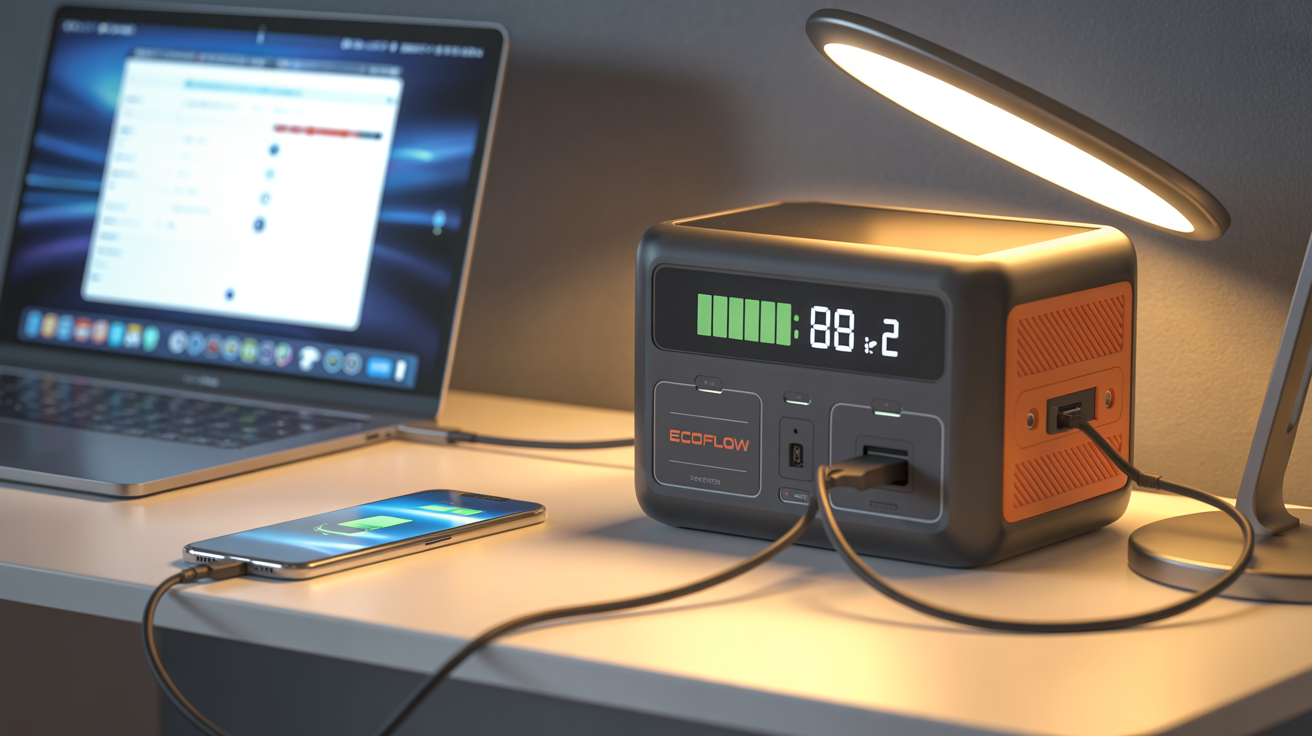
The lights flicker once, twice, then everything goes dark. The hum of your refrigerator dies. Your Wi-Fi router blinks out. In an apartment, a power outage hits differently than in a house—you can’t fire up a generator on the balcony, you share walls with neighbors, and your cooking and heating options shrink considerably. That’s why blackout preparedness for apartments demands its own focused approach.
With a modest investment in supplies and a clear plan, you can ride out a blackout safely—whether it lasts two hours or two days. This guide from Modern Urban Prepper walks you through every step, from the right gear to a 24-hour blackout survival plan tailored to apartment living.
What Happens During a Power Outage
When the grid goes down in an apartment building, here’s what typically unfolds:
- Lighting: All lights go out instantly. Hallways may have emergency lighting for 90 minutes—your unit will not.
- Refrigeration: Your fridge keeps food safe for roughly 4 hours with the door closed. A full freezer holds for about 48 hours (24 if half-full), per Ready.gov.
- Water: Buildings with electric pumps lose pressure on upper floors. Above the sixth floor, water may stop entirely.
- HVAC: Heating and AC shut down. Interior apartments heat up fast in summer and cool rapidly in winter.
- Communication: Wi-Fi dies immediately. Cell tower backups last 4 to 8 hours, then service degrades.
- Elevators: Non-functional. Plan for stair access only.
- Security: Electronic locks and cameras may lose power. Know your building’s manual overrides.
A brief outage on a mild evening is manageable. A 48-hour outage in extreme heat or cold is a genuine safety concern—and exactly what you should prepare for.
Essential Blackout Supplies for Your Apartment
Space is limited, so every item must earn its place. Here’s your power outage survival apartment kit, organized by priority:
Tier 1: Non-Negotiable Basics
- Water: One gallon per person per day, minimum three-day supply. See our urban water storage guide for apartment-friendly solutions.
- Flashlights: At least two quality LED flashlights. Headlamps are even better—they free up your hands.
- Batteries: Stock AA and AAA lithium batteries (10-year shelf life vs. 5 years for alkaline). Match quantities to your devices.
- Battery bank / portable charger: A 20,000 mAh power bank charges most smartphones 4 to 5 times.
- Battery-powered or hand-crank radio: NOAA Weather Radio capability is essential for receiving emergency broadcasts.
- First aid kit: Include any prescription medications (with a 7-day buffer supply).
- Cash: ATMs and card readers don’t work without power. Keep $100 to $200 in small bills.
Tier 2: Comfort and Extended Outages
- Non-perishable food: Three-day minimum. See our emergency food supply apartment guide for recommendations.
- Manual can opener
- Portable cooking device (butane stove or Sterno—details below)
- Insulated cooler and ice packs
- Warm blankets or sleeping bags (winter) / battery-powered fans (summer)
- Whistle and important documents in a waterproof bag
Store everything in one spot—a hall closet, under a bed, or a labeled bin. Don’t scramble for supplies in the dark.
Lighting Options for Apartments During a Blackout
Effective emergency lighting for your apartment balances brightness, safety, and runtime. Here are the best options for apartment dwellers:
LED Flashlights and Headlamps
Your primary source. Modern LED flashlights run 20 to 100+ hours on a single set of batteries. Headlamps are ideal for cooking, reading, or navigating hands-free. Keep one by your bed and another in your supply kit.
Battery-Powered LED Lanterns
A single LED lantern illuminates an entire room. Look for adjustable brightness with a low-power mode stretching runtime to 100+ hours. Models with a built-in hook hang from cabinet handles to cast light across the room.
Candles (With Caution)
Candles are the leading cause of home fires during power outages. If you use them: place on stable, heat-resistant surfaces; never leave unattended or sleep with one lit; keep away from curtains and bedding; use wide-base holders or glass jars; and extinguish before leaving the room.
Glow Sticks
Inexpensive, zero fire risk, and great for marking paths at night. They last 8 to 12 hours and are safe for children. Keep a dozen in your kit.
What to Avoid
Never use propane lanterns, kerosene lamps, or any fuel-burning light source indoors. The carbon monoxide and fire risk in an enclosed apartment is too high.
Cooking Without Power in Your Apartment
When the stove and microwave are dead, you still have safe no-power cooking methods available. Ventilation and fire safety are the priorities.
Butane Portable Stove
The best indoor option for apartments. Butane stoves are compact, produce minimal CO (far less than propane), and use inexpensive canisters. A single 8-ounce canister provides 1 to 1.5 hours of cooking. Stock 4 to 6 for a multi-day outage. Always crack a window.
Sterno Canned Heat
Sterno cans burn clean and are safe indoors with ventilation. Ideal for warming food and boiling small amounts of water. Each can burns for approximately 2 hours. Pair with a folding Sterno stove for stability.
No-Cook Meal Strategy
The simplest approach requires zero equipment:
- Canned beans, tuna, chicken, and soups (many are ready-to-eat at room temperature)
- Peanut butter with crackers or bread
- Trail mix, nuts, dried fruit, and protein bars
- Shelf-stable milk and juice boxes
What Never to Use Indoors
The American Red Cross and FEMA are clear: never use charcoal grills, propane camping stoves, or any open-flame grill inside an apartment. These produce dangerous levels of carbon monoxide in enclosed spaces. No hot meal is worth the risk.
Staying Warm or Cool Without Power
Temperature control is the most underestimated challenge in apartment blackout preparedness. Strategy depends on the season.
Staying Warm (Cold Weather Outages)
- Layer clothing: Thermal underwear, fleece, wool socks, and a knit hat indoors.
- Consolidate into one room: Close doors to unused rooms. Body heat warms a smaller space faster.
- Use sleeping bags: A bag rated to 20°F is far warmer than stacked blankets.
- Insulate windows: Tape bubble wrap or heavy blankets over windows to slow heat loss.
- Hot water bottles: Boil water on your butane stove, fill a bottle, and place it in your sleeping bag before bed.
- Block drafts: Roll towels against the base of exterior doors.
Critical safety warning: Never use a gas oven or stovetop for heating. Never bring a grill indoors. Carbon monoxide is odorless and deadly—it kills hundreds of people every year during power outages.
Staying Cool (Hot Weather Outages)
- Battery-powered fans: A rechargeable fan runs 8 to 20 hours depending on model and speed setting.
- Wet towel technique: Drape a damp towel over your neck or forehead for evaporative cooling.
- Close blinds during the day: Block direct sunlight to reduce interior temperature by several degrees.
- Open windows at night: Create cross-ventilation by opening windows on opposite sides after sundown.
- Stay hydrated: Drink water consistently, even if you don’t feel thirsty.
Communication and Safety During an Apartment Blackout
Staying connected and staying safe go hand in hand during an extended outage.
Communication
- Conserve phone battery: Use airplane mode when idle. Disable Bluetooth, location services, and background apps. Lower brightness to minimum.
- Text instead of call: Texts use less bandwidth and battery. During outages, congested networks deliver texts more reliably than calls.
- NOAA Weather Radio: Battery-powered or hand-crank models receive emergency broadcasts independent of cell towers or internet.
- Charge from your car: Run the engine for 15 to 20 minutes in a ventilated area (never in an enclosed garage) to charge devices via USB.
- Buddy system: Check on vulnerable neighbors. Agree with someone outside the area on a regular check-in schedule.
Safety Priorities
- Carbon monoxide: Install a battery-powered CO detector. Symptoms of CO poisoning include headache, dizziness, nausea, and confusion.
- Fire safety: Keep a fire extinguisher accessible. Never leave candles or Sterno unattended.
- Food safety: Discard any refrigerated food above 40°F for more than 2 hours.
- Unplug electronics: Protect against power surges when electricity returns. Leave one light switched on as an indicator.
- Know your exits: Elevators will not work. Know stairwell locations and keep a flashlight by the front door.
- Lock up: Security systems may be offline. Engage your deadbolt and secure windows.
Your 24-Hour Apartment Blackout Plan
A step-by-step 24-hour blackout plan eliminates panic and wasted effort:
Hour 0–1: Immediate Response
- Stay calm. Check if the outage is your unit only (breaker panel) or building-wide (look out the window).
- Grab your primary flashlight or headlamp.
- Unplug sensitive electronics to protect against power surges.
- Leave one light switch “on” so you know when power returns.
- Check your phone for utility alerts or outage maps.
- Do not open the refrigerator or freezer.
Hours 1–4: Assess and Settle In
- Retrieve your blackout supply kit if the outage appears extended.
- Set up a lantern in your main living area.
- Switch your phone to battery-saving mode.
- Text your emergency contact: location, status, and battery level.
- Begin temperature management if needed (close off rooms, layer up, or set up fans).
- Eat perishable foods first—leftovers, dairy, fresh produce.
Hours 4–12: Sustain and Conserve
- Transfer perishables from the fridge to a cooler with ice packs (the 4-hour window is closing).
- Prepare a no-cook or stove-cooked meal.
- Check on neighbors, especially elderly or those with medical needs.
- Ration your battery bank—charge your phone only below 20%.
- Use the NOAA radio for outage updates.
- As evening approaches, place glow sticks to mark paths to the bathroom and kitchen.
Hours 12–24: Extended Outage Mode
- Maintain a consistent check-in schedule with your emergency contact.
- Keep the freezer closed—it’s still holding temperature if it was full.
- Rotate to Tier 2 food supplies (canned goods, trail mix, protein bars).
- Conserve water if pressure has dropped on upper floors. Use stored water for drinking only.
- If temperatures become dangerous (below 50°F or above 95°F indoors), relocate to a community warming or cooling center.
- Before sleeping, extinguish all candles, confirm your CO detector is active, and keep a flashlight within reach.
Blackout Quick Checklist
Print this and keep it with your supply kit:
- ☐ Flashlights and headlamps — minimum 2, with extra batteries (lithium AA/AAA)
- ☐ LED lantern — adjustable brightness, 100+ hour runtime
- ☐ Portable power bank — 20,000 mAh minimum, fully charged
- ☐ NOAA weather radio — battery-powered or hand-crank
- ☐ Water supply — 1 gallon per person per day, 3-day minimum
- ☐ Non-perishable food — 3-day supply with manual can opener
- ☐ Butane stove or Sterno — with 4–6 fuel canisters
- ☐ Cooler with ice packs — for perishable food transfer
- ☐ First aid kit — plus 7-day prescription medication buffer
- ☐ Cash — $100–$200 in small bills
- ☐ Warm layers or sleeping bag (winter) / Battery fan (summer)
- ☐ Carbon monoxide detector — battery-powered
- ☐ Fire extinguisher — accessible and inspected
- ☐ Important documents — in a waterproof bag
- ☐ Glow sticks — for safe nighttime navigation
- ☐ Whistle — for emergency signaling
Frequently Asked Questions
How long can an apartment stay safe without power?
Most apartments remain safe for 24 to 72 hours without power, provided you have water, food, and temperature management. The primary risks are extreme heat (above 95°F), extreme cold (below 50°F), and loss of water pressure on upper floors. If conditions become dangerous, relocate to a community shelter or a friend’s home with power.
Can I use a portable generator on my apartment balcony?
No. Generator exhaust contains carbon monoxide, which can enter your unit or neighbors’ units through windows and vents. FEMA recommends generators operate at least 20 feet from any building opening—impossible on most balconies. Most leases prohibit generator use. Stick to power banks, solar chargers, and battery stations instead.
What is the safest way to cook during a power outage in an apartment?
A portable butane stove is the safest indoor option. Butane produces significantly less carbon monoxide than propane, and the stoves are compact with inexpensive fuel canisters. Always crack a window for ventilation. Sterno canned heat is another safe choice. Never use charcoal grills or propane camping stoves indoors—the CO risk in an enclosed apartment is extreme.
How do I keep my phone charged during an extended blackout?
Start with a fully charged 20,000 mAh portable power bank, which provides 4 to 5 full smartphone charges. Extend battery life with airplane mode, low brightness, and disabled background apps. A car can charge devices via USB (run 15–20 minutes in a ventilated area). For multi-day outages, a foldable solar panel (10–20 watts) can recharge your power bank during daylight.
Should I open or close my windows during a power outage?
It depends on the season. In hot weather, open windows on opposite sides after sundown for cross-ventilation, but keep blinds closed during the day. In cold weather, keep windows closed and insulated with blankets or bubble wrap. When cooking with a butane stove or Sterno, always crack a window regardless of outdoor temperature.
Final Thoughts
Blackout preparedness for apartments isn’t about expecting the worst—it’s about eliminating uncertainty so you stay calm when the lights go out. The supplies are affordable, the plan is simple, and the confidence is worth every minute of preparation.
Start with flashlights, water, a power bank, and a three-day food supply. Build from there. Keep that checklist where you can find it in the dark. The next blackout isn’t a question of if—it’s when. Be ready.