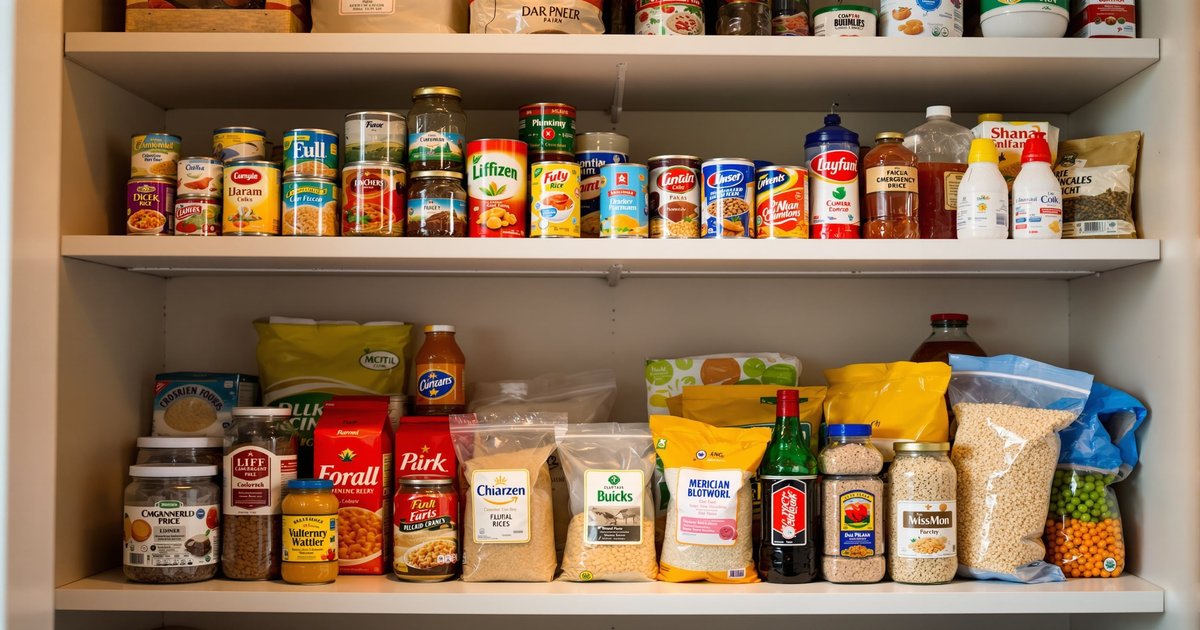
Building an emergency food supply apartment dwellers can rely on is not about filling a basement with pallets of freeze-dried meals. It is about making smart choices that fit the space you actually have. Whether you live in a studio or a two-bedroom walkup, a well-planned food reserve can keep you fed and calm when grocery runs are not an option.
Power outages, severe storms, supply-chain disruptions, and public-health emergencies can cut access to food for days or even weeks. The Federal Emergency Management Agency (FEMA) recommends every household maintain at least a three-day food supply—and ideally two weeks’ worth. This guide shows you exactly how to do that in a small urban apartment, step by step. If you are also working on water reserves, pair this with our urban water storage guide for a complete setup.
How Much Food Should You Store?
The math is straightforward. An average adult needs roughly 2,000 calories per day to maintain basic function during an emergency. Active adults or those in cold environments may need 2,400–2,800. Children ages 4–8 need about 1,200–1,400 calories.
Use this simple formula to calculate your household target:
(Number of people) × (2,000 cal/day) × (Number of days) = Total calories needed
For a two-person household planning a 14-day supply, that equals 56,000 calories. Sounds like a lot, but calorie-dense foods compress that number into surprisingly little space. A single jar of peanut butter packs nearly 2,700 calories. A one-pound bag of rice holds about 1,600 calories.
Recommended Minimums by Household Size
- 1 adult, 14 days: 28,000 calories — fits in roughly 2 medium storage bins
- 2 adults, 14 days: 56,000 calories — fits in 4 medium bins or one closet shelf
- Family of 4, 14 days: 98,000–112,000 calories — requires dedicated closet or under-bed storage across rooms
Start with a three-day supply, then build toward two weeks. This approach spreads out both cost and the effort of organizing your apartment food storage.
Best Foods for Apartment Storage
Not all shelf-stable foods are equal. For long term food storage urban apartments demand, you need items that score high on four criteria: calorie density, shelf life, compact size, and minimal preparation.
Staples With Long Shelf Life
- White rice — up to 30 years in Mylar bags with oxygen absorbers; ~1,600 cal/lb
- Dried beans and lentils — 25+ years properly stored; ~1,500 cal/lb
- Rolled oats — 20+ years in sealed containers; ~1,700 cal/lb
- Powdered milk — 20 years sealed; adds protein and calcium to meals
- Honey — indefinite shelf life; natural sweetener and energy source
Canned Goods (2–5 Year Shelf Life)
- Canned chicken, tuna, and salmon — high protein, ready to eat
- Canned beans (black, kidney, pinto) — protein and fiber, no cooking needed
- Canned vegetables (corn, green beans, carrots) — essential nutrients
- Canned fruit in juice — quick energy and morale boost
- Canned soups and stews — complete meals in a single container
High-Calorie Compact Options
- Peanut butter — ~2,700 cal/jar, no refrigeration needed once opened short-term
- Trail mix and mixed nuts — ~2,600 cal/lb, excellent snacking calories
- Protein bars and granola bars — individually wrapped, easy rotation
- Freeze-dried meals — 25-year shelf life, lightweight, one pouch per meal
- Hard crackers and hardtack — shelf-stable bread substitute
The American Red Cross also recommends keeping comfort foods and familiar snacks in your supply. Morale matters during extended emergencies.
No-Cook Emergency Foods
If the power goes out and you have no camp stove, you need foods that are ready to eat straight from the package. Building a no-cook layer into your emergency food supply apartment plan is critical. Here are the best options:
- Canned beans, tuna, chicken, and vegetables — fully cooked, eat cold or at room temperature
- Peanut butter + crackers — filling and satisfying without any preparation
- Dried fruit (raisins, apricots, mangoes) — natural sugars for quick energy
- Nuts and seeds — calorie-dense, healthy fats, long shelf life
- Shelf-stable milk or plant milk boxes — drink straight or add to cereal
- Pouched tuna or chicken salad kits — complete meal in one package
- Applesauce cups and fruit cups — easy to eat, good for all ages
- Beef or turkey jerky — high protein, lightweight, long-lasting
- Cereal or granola — eat dry or with shelf-stable milk
- Energy gels or chews — fast calories in a medical or high-stress situation
Aim for at least three full days of no-cook food in your supply. This covers the most common short-duration emergencies and buys time if you need to arrange cooking alternatives. For more on handling power outages, check out our blackout preparedness apartment guide.
Space-Saving Storage Hacks
Limited square footage is the biggest challenge for apartment food storage. The trick is to look at your space differently. Almost every apartment has hidden storage capacity once you start thinking vertically and creatively.
Under-Bed Storage
Flat, wheeled bins under each bed can hold an enormous amount of food. A standard queen bed offers roughly 30 cubic feet of under-bed space. Use clear bins so you can see contents at a glance,
🍽️ Best Emergency Food Kits for Apartments
We’ve evaluated dozens of freeze-dried and dehydrated food kits specifically for apartment storage. Here are our top picks that balance nutrition, shelf life, and compact size.
See Our Top Food Kit Recommendations →Affiliate Disclosure: We may earn a commission from purchases made through these links.
Vertical and Door Space
- Over-the-door shoe organizers — perfect for pouches, bars, seasoning packets, and small cans
- Stackable shelf risers — double the usable space inside kitchen cabinets
- Wall-mounted narrow shelving — 4-inch-deep shelves between studs hold cans single-file
- Tension rods in cabinets — create extra hanging or dividing layers
Dual-Purpose Furniture
Storage ottomans, bench seats with lift-up lids, and hollow coffee tables can all hold food supplies while serving their normal function. A storage ottoman can fit 20–30 cans plus several pouched meals.
Closet Optimization
Dedicate one section of a closet — even just two square feet of floor space — to emergency supplies. Stack bins vertically and use the shelf above for lighter items like oats and pasta. This alone can hold a two-week supply for one person.
Vacuum Sealing and Repackaging
Remove bulky packaging. Vacuum-seal rice, beans, oats, and pasta into flat packs that slide into narrow gaps. Mylar bags with oxygen absorbers offer the same benefit with dramatically longer shelf life. This single step can reduce storage volume by 30–50%.
Apartment Emergency Food Checklist
Use this prepping food list as your shopping and stocking reference. Check off items as you acquire them and note expiration dates for rotation.
Grains and Carbohydrates
- ☐ White rice — 10 lbs (sealed)
- ☐ Rolled oats — 5 lbs (sealed)
- ☐ Pasta — 5 lbs (various shapes)
- ☐ Crackers — 4 boxes or sleeves
- ☐ Instant mashed potatoes — 2 boxes
- ☐ Cereal or granola — 2 boxes
Proteins
- ☐ Canned tuna — 8 cans
- ☐ Canned chicken — 6 cans
- ☐ Canned beans (assorted) — 12 cans
- ☐ Peanut butter — 2 jars (16 oz each)
- ☐ Beef jerky — 4 bags
- ☐ Powdered milk — 1 large canister
Fruits and Vegetables
- ☐ Canned vegetables (assorted) — 10 cans
- ☐ Canned fruit in juice — 6 cans
- ☐ Dried fruit (raisins, apricots) — 3 bags
- ☐ Applesauce cups — 1 pack (6 count)
- ☐ Freeze-dried vegetables — 2 pouches
Fats, Snacks, and Extras
- ☐ Trail mix or mixed nuts — 3 bags
- ☐ Protein bars — 12 bars
- ☐ Honey — 1 bottle
- ☐ Cooking oil — 1 small bottle
- ☐ Salt, pepper, basic spices
- ☐ Coffee or tea (instant) — for morale
- ☐ Hard candy or chocolate — small bag
Essentials
- ☐ Manual can opener (at least 2)
- ☐ Disposable plates, utensils, cups
- ☐ Resealable bags and plastic wrap
- ☐ Camp stove with fuel (if building allows) or Sterno cans
- ☐ Water — minimum 1 gallon per person per day
7-Day Emergency Food Plan
This sample plan provides roughly 1,800–2,200 calories per day for one adult using items from the checklist above. Adjust portions for your household size.
Day 1
- Breakfast: Oatmeal with dried fruit and honey (400 cal)
- Lunch: Peanut butter on crackers, trail mix (650 cal)
- Dinner: Canned chicken with rice, canned corn (600 cal)
- Snacks: Protein bar, applesauce cup (350 cal)
Day 2
- Breakfast: Cereal with powdered milk, dried apricots (400 cal)
- Lunch: Tuna salad kit with crackers, mixed nuts (600 cal)
- Dinner: Canned bean soup, instant mashed potatoes (550 cal)
- Snacks: Jerky, fruit cup (400 cal)
Day 3
- Breakfast: Instant oatmeal with peanut butter and honey (500 cal)
- Lunch: Canned beans and canned vegetables, crackers (550 cal)
- Dinner: Pasta with canned chicken and canned tomatoes (600 cal)
- Snacks: Granola bar, dried fruit (350 cal)
Day 4
- Breakfast: Granola with shelf-stable milk (400 cal)
- Lunch: Peanut butter and honey on crackers, jerky (650 cal)
- Dinner: Canned stew with rice (600 cal)
- Snacks: Trail mix, hard candy (350 cal)
Day 5
- Breakfast: Oatmeal with mixed nuts and honey (450 cal)
- Lunch: Canned tuna with crackers, canned fruit (550 cal)
- Dinner: Rice and canned beans with spices (600 cal)
- Snacks: Protein bar, applesauce (350 cal)
Day 6
- Breakfast: Cereal with powdered milk, raisins (400 cal)
- Lunch: Canned chicken salad with crackers, nuts (600 cal)
- Dinner: Instant mashed potatoes with canned vegetables and tuna (600 cal)
- Snacks: Jerky, dried mango (400 cal)
Day 7
- Breakfast: Peanut butter oatmeal with dried fruit (500 cal)
- Lunch: Canned soup, crackers with peanut butter (550 cal)
- Dinner: Pasta with canned beans and canned tomato sauce (600 cal)
- Snacks: Protein bar, trail mix (400 cal)
This plan mixes no-cook and simple-prep meals. On days when cooking is not possible, substitute any meal with no-cook alternatives like canned proteins, crackers, and nut butters.
Mistakes to Avoid
Even well-intentioned preppers make errors that undermine their emergency food supply apartment plans. Here are the most common ones:
1. Storing Food You Never Eat
If you do not eat canned sardines on a regular day, you will not want them during a crisis. Stock foods your household actually enjoys. This also makes rotation natural — you eat the oldest items and replace them.
2. Ignoring Water Needs
Many emergency foods — rice, oats, pasta, freeze-dried meals — require water to prepare. If you do not have water stored, half your food supply becomes useless. Plan for one gallon of water per person per day, and read our urban water storage guide for apartment-specific solutions.
3. Forgetting to Rotate Stock
Canned goods and packaged foods expire. Set a calendar reminder every six months to check dates, move older items to the front, and consume anything approaching its expiration. Replace what you use.
4. Neglecting Nutrition Balance
Carbs are easy to stockpile, but a diet of only rice and crackers will leave you weak. Include protein sources (canned meats, beans, nuts), fats (peanut butter, oil), and vitamins (canned fruits and vegetables, multivitamins).
5. Storing Everything in One Spot
A single leak or pest incident can wipe out a concentrated supply. Distribute your food across at least two or three locations in your apartment — kitchen cabinets, bedroom closet, under-bed bins.
6. Skipping a Can Opener
This sounds obvious, but it is one of the most overlooked items. Buy at least two manual can openers and store them with your food. Electric openers are useless during a power outage.
7. Not Accounting for Dietary Needs
Allergies, intolerances, medications that require food, infant formula, and pet food all need separate planning. Build your prepping food list around your household’s actual needs, not a generic checklist.
Frequently Asked Questions
How much emergency food should I store in my apartment?
Plan for a minimum of 2,000 calories per person per day. For a two-week supply for one adult, that means roughly 28,000 calories total. Focus on calorie-dense, shelf-stable foods that fit in compact spaces like closets, under-bed bins, and vertical shelving.
What are the best no-cook emergency foods for apartments?
The best no-cook emergency foods include canned beans, tuna, chicken, and vegetables; peanut butter; crackers; dried fruit and nuts; protein bars; ready-to-eat pouched meals like tuna salad kits; shelf-stable milk; and individually wrapped snack packs. These require zero preparation and no water to consume.
How do I store emergency food in a small apartment without wasting space?
Use vertical space with over-the-door organizers and stackable bins. Store food under beds in flat containers, inside ottomans or bench seats, and on top of cabinets. Vacuum-seal items to reduce bulk, and rotate stock using a first-in-first-out system. Even a studio apartment can hold a two-week food supply with smart organization.
How long does emergency food last in an apartment?
Shelf life varies by food type. Canned goods last 2–5 years. White rice and dried beans last up to 30 years when stored properly in Mylar bags with oxygen absorbers. Freeze-dried meals typically last 25 years. Peanut butter and crackers last 1–2 years. Always check dates and rotate stock every 6 months.
Can I build an emergency food supply on a budget?
Yes. Start small by adding a few extra shelf-stable items to each grocery trip — canned beans, rice, oats, and peanut butter are inexpensive and calorie-dense. A basic two-week supply for one person can cost as little as $75–$120 when built gradually over a few months.
Start Building Your Supply Today
You do not need a bunker or a big budget. A reliable emergency food supply apartment setup starts with one trip to the grocery store and a little creative organizing. Pick five items from the checklist above, find a spot to stash them, and you are already ahead of most people.
For a broader look at apartment-based readiness — from water and power to communication plans — explore our full urban preparedness guide. Preparation done now is stress you will not feel later.
📦 Ready to Build Your Emergency Food Supply?
Start with a 72-hour kit and build up to a 30-day supply. Our recommended starter kits are specifically chosen for apartment-sized storage.
Shop Emergency Food Kits →As an Amazon Associate, we earn from qualifying purchases. See our full disclaimer.