Shift from Survival to Thrival
Urban resilience evolves from merely enduring crises to flourishing through community, adaptation, and well-being. This proactive approach fosters stronger, more connected urban ecosystems.
Posted on: 2026-02-15
By: Samuel Albright
What does it mean to thrive in an urban environment? As cities face increasing challenges—from climate change to social equity issues—understanding urban resilience isn't just beneficial; it's essential. This article explores how we can transition from merely surviving crises to thriving amidst them, emphasizing community, adaptability, and self-reliance.
This visual illustrates the transition from mere survival to thriving in urban environments by highlighting key strategies and their impact areas. Each card represents a critical pathway to building robust urban resilience.
Urban resilience evolves from merely enduring crises to flourishing through community, adaptation, and well-being. This proactive approach fosters stronger, more connected urban ecosystems.
In today's rapidly changing world, the concept of urban resilience has never been more crucial. It’s not just about surviving the next crisis—it's about thriving despite challenges. At Modern Urban Prepper, we believe that urban resilience means creating systems that allow us to endure hardships while maintaining a vibrant, sustainable lifestyle. This shift from mere survival to what I like to call "thrival" encourages us to embrace community, adapt our practices, and cultivate a sense of well-being and security.
To truly grasp the concept of urban resilience, we must first understand its importance in our lives. As urban dwellers, we face unique challenges such as limited resources, climate change, and social inequities. By fostering resilience, we can empower ourselves and our communities to tackle these challenges head-on, ensuring safety and sustainability for future generations.
Urban resilience refers to the ability of a city or community to anticipate, prepare for, respond to, and recover from adverse events. Here are some key aspects that highlight its significance:
In essence, urban resilience is not just about bouncing back after a setback; it’s about growing stronger and more connected in the process. This proactive approach is central to my vision with Modern Urban Prepper.
Transitioning from survival to thrival involves embracing several key concepts. Each of these plays a pivotal role in reshaping how we think about urban living and preparedness:
As we adopt these concepts, we create a vibrant urban ecosystem that thrives in the face of adversity. This shift towards thrival isn’t just a strategy; it's a lifestyle choice that can lead to profound change within our communities.
Social equity is a fundamental component of urban resilience that we must prioritize. When we ensure that all community members have access to resources and opportunities, we create a more robust safety net for everyone. Here’s why social equity matters:
At Modern Urban Prepper, I firmly believe that social equity is not just a nice-to-have; it’s an essential pillar of our resilience framework. By working together with a focus on inclusivity, we can build a more prepared and sustainable urban environment for everyone.
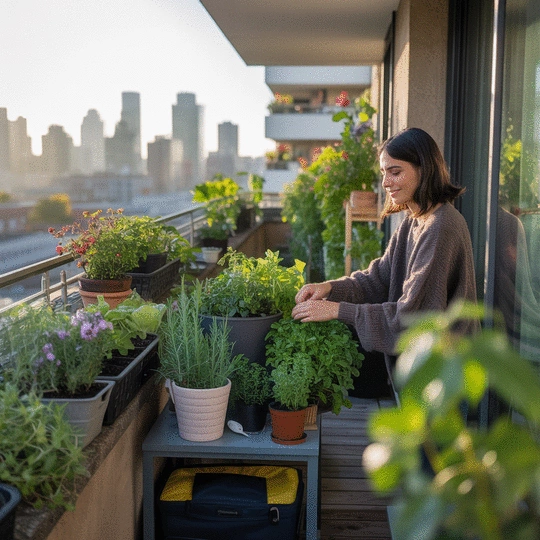
To enhance urban resilience, consider starting a community garden in your neighborhood. Not only does this promote local food security, but it also fosters social connections among residents. By working together, you can share resources, knowledge, and create a vibrant space that benefits everyone involved!
As we wrap up our discussion on urban resilience, it’s essential to reflect on the key insights that have emerged from successful strategies. Urban resilience isn’t just about survival; it’s about thriving and ensuring our communities can adapt to the ever-changing landscape. This means engaging with our neighbors, learning from each other, and implementing practices that foster sustainability and safety in our urban environments.
At Modern Urban Prepper, we recognize that building urban resilience is a collective effort. By fostering strong community ties, we can share resources and knowledge that empower everyone. Together, we can create a culture of preparedness that not only addresses immediate needs but also paves the way for a sustainable future.
Throughout our journey exploring urban resilience, several successful strategies have stood out. These include the integration of green infrastructure, enhancing social equity, and promoting local food systems. Each of these elements contributes to a more resilient and adaptable urban landscape.
Engaging with the community is not just beneficial; it’s necessary. Listening to the voices of local residents helps tailor strategies to fit their unique needs and challenges. As urban planners and community leaders, we must prioritize inclusivity to truly build resilience together.
Now that we’ve established foundational insights into urban resilience, it’s time to take action! Urban planners, community leaders, and residents alike have a role to play in shaping our cities’ futures. By implementing practical strategies, we can move from theory to tangible results. So, what are the next steps?
As someone passionate about urban prepping, I believe that small steps can lead to significant changes. Each initiative, be it a community garden or a disaster preparedness workshop, contributes to a more resilient urban environment. Let's take these lessons to heart and build a better future together!
To effectively implement urban resilience strategies, ongoing education is essential. Thankfully, there are numerous resources available to guide us along the way. Whether you’re looking for books, online courses, or community workshops, there’s something out there for every urban dweller ready to make a difference.
By tapping into these resources, we can stay informed and ready to tackle the challenges our communities face. Knowledge is power, and together, we can use it to transform our urban spaces!
Collaboration is at the heart of effective urban resilience planning. Engaging various stakeholders—including local organizations, businesses, and residents—creates a robust framework for addressing the unique challenges of urban environments. It’s important to identify who these stakeholders are and how they can contribute to our collective goals.
Through these collaborations, we can pool our resources and insights to create more resilient and thriving urban spaces. Let’s make sure everyone has a seat at the table, fostering a culture of inclusivity and support.
A critical component of urban resilience is food security. With the increasing unpredictability of food supply chains, promoting urban agriculture becomes crucial. By encouraging local food production, we can enhance community resilience while reducing our environmental impact.
As a sustainability advocate, I’ve seen first-hand how urban agriculture fosters a sense of community while addressing food insecurity. By integrating these practices into our resilience strategies, we can create a more sustainable and self-sufficient urban environment for everyone.
Here is a quick recap of the important points discussed in the article: