Tech Tools for Urban Resilience


Essential Tools for Urban Resilience: A Tech Review

Posted on: 2025-12-08
By: Samuel Albright


In our rapidly evolving urban landscapes, the concept of resilience has never been more critical. As cities face a myriad of challenges, from climate change to social unrest, understanding how to build urban resilience is essential for thriving in the face of adversity.

What You Will Learn

  • Urban resilience involves the capacity of cities to adapt to various stressors, including environmental, social, and economic challenges.
  • Key components of urban resilience include robust infrastructure, community engagement, economic diversity, and environmental stewardship.
  • Technology plays a crucial role in urban resilience by providing real-time data and predictive analytics to help cities respond effectively to crises.
  • Sustainable practices, such as urban gardening and water conservation, are essential in fostering resilient urban communities.
  • Community involvement is vital for effective resilience strategies, enhancing local feedback and participation in solutions.
  • Emerging technologies, including blockchain and smart grids, offer transformative opportunities for enhancing urban resilience.
  • Effective policy frameworks are necessary to support and incentivize sustainable practices aligned with urban resilience goals.

Urban Resilience: Key Components & Technological Needs

Understanding the essential building blocks of urban resilience and how technology empowers them.

Defining Urban Resilience: Key Components

  • Infrastructure
  • Community Engagement
  • Economic Diversity
  • Environmental Stewardship

Role of Technology in Resilience

  • Real-time Data
  • Predictive Analytics
  • Community Tools

Sustainable Practices for Resilience

  • Urban Gardening
  • Water Conservation
  • Energy Efficiency

Future Urban Resilience Technologies

  • Blockchain for Secure Data
  • Advanced Robotics
  • Energy-efficient Smart Grids

Understanding Urban Resilience and Its Technological Necessities

In today’s rapidly changing world, have you ever thought about what it truly means to build urban resilience? Urban resilience is about more than just surviving; it's about thriving amid challenges, whether they come from natural disasters, social upheavals, or technological disruptions. It encompasses the ability of urban areas to anticipate, prepare for, respond to, and recover from various shocks, ensuring that city dwellers can maintain their quality of life. This concept is vital for us at Modern Urban Prepper, as we seek to empower city residents to cultivate resilience in their daily lives.

Defining urban resilience involves understanding its components, which include the physical infrastructure, social networks, and economic systems that work together to support a community. As we explore these elements, we’ll discover how integrating sustainability and innovative technologies positions urban areas to face uncertain futures effectively.

Defining Urban Resilience: What Does It Entail?

At its core, urban resilience refers to the capacity of cities to absorb and adapt to stressors. This involves a range of factors:

  • Infrastructure: Buildings, roads, and public transportation must be robust enough to withstand environmental challenges.
  • Community engagement: Strong social ties among residents can enhance collective response efforts during crises.
  • Economic diversity: A varied economy can reduce vulnerability to market fluctuations, ensuring stability.
  • Environmental stewardship: Sustainable practices help cities mitigate their impact on nature while enhancing urban ecosystems.

As we define urban resilience, it's essential to recognize that it requires an ongoing commitment to adaptability and foresight in planning. The elements above must work synergistically to create a thriving urban environment.

The Importance of Technology in Urban Resilience

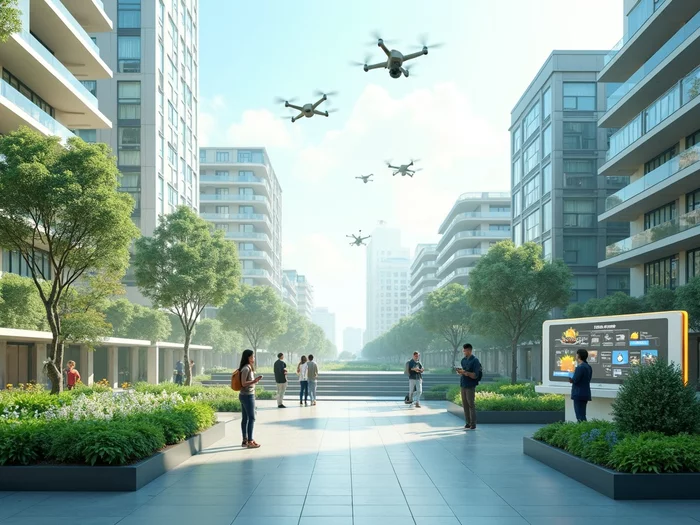
Now, let’s delve into why technology is a crucial player in enhancing urban resilience. Technology enables cities to monitor, analyze, and respond to challenges in real time. For instance, smart sensors can track environmental conditions, providing valuable data that informs decision-making. This proactive approach helps prevent disasters and minimizes their impact on urban life.

  • Real-time data: Access to immediate information allows city officials to respond swiftly to emergencies.
  • Predictive analytics: Technologies can forecast potential challenges and help devise contingency plans.
  • Community engagement tools: Apps and platforms can facilitate communication and resource-sharing among residents.

By leveraging technology, cities can make informed decisions that bolster their ability to adapt and recover from various crises. Embracing these technological advancements is critical for any urban dweller looking to enhance their resilience.

Building Resilience Through Sustainable Practices

At Modern Urban Prepper, we believe that sustainability is a cornerstone of urban resilience. Implementing eco-friendly practices not only conserves resources but also strengthens communities. Here are some practical ways to integrate sustainability into your urban lifestyle:

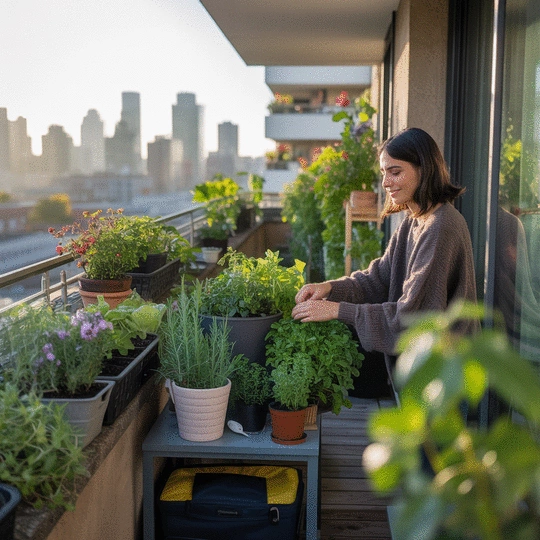
  • Urban gardening: Grow your own food to reduce reliance on external supply chains and enhance food security.
  • Water conservation: Implement systems like rainwater harvesting to minimize water wastage.
  • Energy efficiency: Use energy-efficient appliances and consider renewable energy sources to reduce your carbon footprint.

By adopting these sustainable practices, city dwellers can contribute to a more resilient urban environment. Remember, every small action counts! Together, we can build communities that celebrate self-reliance and ecological responsibility.

Pro Tip

Did you know? Engaging in community-based resilience initiatives can significantly enhance urban preparedness. By collaborating with neighbors and local organizations, you can share resources, knowledge, and skills that strengthen collective response capabilities during emergencies. Consider organizing community workshops focused on urban gardening or disaster preparedness to foster a culture of resilience in your neighborhood!

Reflecting on the Future of Urban Resilience Technologies

In this rapidly evolving landscape of urban living, the future of urban resilience technologies is both exciting and crucial. As we delve into emerging trends, it’s essential to consider how these innovations can shape our cities and improve our lives. Think about this: what if we could predict urban challenges before they arise? That’s the promise of the technologies on the horizon!

Emerging technologies are not just about enhancement; they’re about transforming cities into resilient spaces that can adapt to changing conditions. Here are a few key technologies to watch:

  • Blockchain for secure data sharing
  • Advanced robotics for urban maintenance
  • Energy-efficient smart grids

These technologies are not just concepts; they represent a substantial shift in how we think about urban resilience. Each one addresses specific challenges we face in our urban environments, paving the way for a more sustainable future.

Driving Community Involvement: The Role of Public Participation

Community involvement is a cornerstone of successful urban resilience initiatives. In my experience with Modern Urban Prepper, I’ve seen firsthand how engaging city dwellers can lead to innovative solutions tailored to local needs. When residents take part in the planning and implementation of resilience technologies, the outcomes improve significantly!

What can communities do to enhance participation? Here are some effective strategies:

  • Organize workshops to educate residents about resilience technologies
  • Encourage local feedback on proposed initiatives
  • Foster partnerships between local businesses and community groups

These strategies not only empower residents but also strengthen community ties. By fostering a sense of ownership, we can build urban resilience that truly reflects the voices of the people living in those spaces.

Climate Action Plans: Integrating Sustainability into Urban Futures

Integrating sustainability into urban futures requires actionable climate action plans. It’s imperative that we prioritize eco-conscious practices that align with urban resilience goals. For instance, urban gardening initiatives can provide food security while enhancing local biodiversity—something I’m passionate about sharing at Modern Urban Prepper!

When crafting these plans, consider the following elements:

  • Reducing carbon footprints through green building designs
  • Enhancing public transportation to decrease reliance on cars
  • Promoting renewable energy sources within the community

By focusing on sustainability, we not only prepare for unforeseen events but also create thriving urban environments where communities can flourish.

Your Path Forward: Implementing Effective Urban Resilience Tools

Next Steps: Evaluating Your City’s Needs for Technology Integration

As we look ahead, it’s time for cities to assess their unique challenges and needs for technology integration. A tailored approach ensures that we address the specific hurdles we face in urban settings. Start by asking yourself and your community: what are our greatest vulnerabilities?

Here are some steps you can take to kickstart this process:

  • Conduct a community survey to identify resilience priorities
  • Analyze current infrastructures and their weaknesses
  • Collaborate with local tech experts to explore new solutions

By understanding your city’s specific needs, you can make informed decisions about the technologies that can foster resilience.

Join the Conversation: Share Your Thoughts on Urban Resilience Solutions

Your input is invaluable! Engaging in conversations about urban resilience solutions not only fosters community connections but also sparks innovation. I encourage you to share your thoughts, ideas, and experiences. Whether through social media or local meetings, every voice matters!

Consider these questions as a starting point:

  • What resilience technologies have you found effective?
  • How can we enhance community collaboration?
  • What challenges do you think are most pressing for our urban environment?

By discussing these topics, we can collectively work toward a more resilient future!

Policy Frameworks: Shaping the Future of Urban Resilience

Lastly, effective policy frameworks are essential for shaping the future of urban resilience. Policymakers must align with technological advancements and community needs to create regulations that support sustainable practices. This intersection of policy and technology is where real change happens!

To advocate for effective policies, consider:

  • Promoting policies that incentivize sustainable business practices
  • Supporting public funding for urban resilience initiatives
  • Engaging in discussions with local leaders about future planning

With the right policies in place, we can empower cities to adopt resilience technologies that protect and nurture their communities.

Frequently Asked Questions (FAQs)

Urban resilience refers to the capacity of cities to anticipate, prepare for, respond to, and recover from various shocks and stressors, ensuring the continued well-being and quality of life for its inhabitants.

Key components include robust infrastructure, strong community engagement, economic diversity, and effective environmental stewardship.

Technology enhances urban resilience by providing real-time data for swift responses, predictive analytics for forecasting challenges, and community tools for improved communication and resource sharing during crises.

Sustainable practices such as urban gardening, water conservation (e.g., rainwater harvesting), and energy efficiency (e.g., renewable energy sources) contribute significantly to a more resilient urban environment.

Community involvement is crucial because it leads to innovative solutions tailored to local needs, strengthens social ties, and fosters a sense of ownership among residents, making resilience initiatives more effective and sustainable.

Recap of Key Points

Here is a quick recap of the important points discussed in the article:

  • Urban Resilience Definition: The capacity of cities to absorb and adapt to stressors through robust infrastructure, community engagement, and economic diversity.
  • Role of Technology: Technology enhances urban resilience by providing real-time data, predictive analytics, and community engagement tools.
  • Sustainable Practices: Implementing eco-friendly practices like urban gardening, water conservation, and energy efficiency contributes to a resilient urban environment.
  • Community Involvement: Engaging residents in planning and resilience initiatives fosters stronger community ties and innovative solutions.
  • Effective Policy Frameworks: Policymakers must create regulations that support sustainable practices and technology integration to empower urban resilience.

Subscribe & Share
Buying Renewable Energy for Homes Where to Buy Renewable Energy Systems for Urban Homes (2025 Guide) As urban populations continue to rise, the quest for sustainability becomes increasingly urgent. Hav
Sustainable Urban Water Strategies Urban Water Management: Strategies for a Sustainable Future Did you know that urban water management faces numerous challenges that impact our daily lives? As c
Embracing Car-Free City Living Sustainable Transportation in Cities: Car-Free Living & Alternatives Have you considered how your daily commute impacts not just your lifestyle but also the environment?
Banner
Modern Urban Prepper

Your trusted resource for urban preparedness and sustainability. We help city dwellers master emergency planning, food and water storage, urban gardening, and personal safety with practical guides and expert insights.

Trusted by urban residents, our mission is to provide reliable, easy-to-follow advice backed by years of expertise in self-reliant living.

Learn More
Recent Posts
Where to Buy Renewable Energy Systems for Urban Homes (2025 Guide) Buying Renewable Energy for Homes

As urban populations continue to rise, the quest f

Urban Water Management: Strategies for a Sustainable Future Sustainable Urban Water Strategies

Did you know that urban water management faces num

Sustainable Transportation in Cities: Car-Free Living & Alternatives Embracing Car-Free City Living

Have you considered how your daily commute impacts

Urban Preparedness Quick Tips