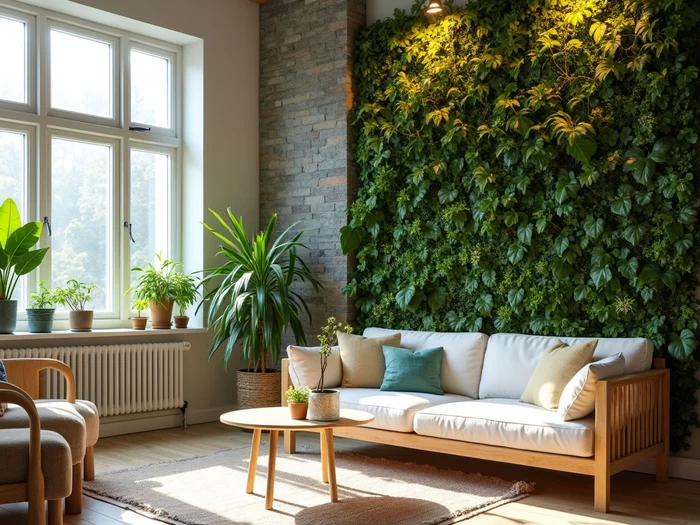
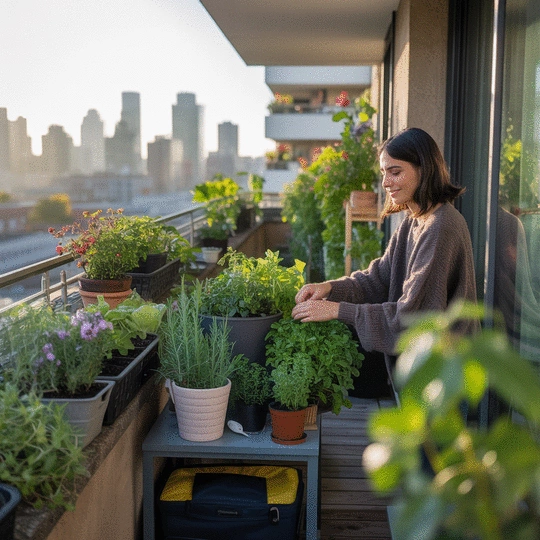
Curious about transforming urban living into a sustainable haven? With green building features, you can enhance both your home and the environment. Explore how these innovations can make a meaningful impact on your lifestyle.
What You Will Learn
Sustainable apartments incorporate energy-efficient appliances, water conservation systems, and renewable energy sources.
Living in a sustainable building can lower utility bills and improve indoor air quality, leading to a healthier lifestyle.
Green building features contribute to increased comfort, reduce noise pollution, and foster community pride among residents.
Advocating for green building in your community can inspire collective action towards eco-friendly living initiatives.
Key Aspects of Sustainable Urban Living
Explore the core features and significant benefits of green building for city dwellers.
What Makes an Apartment Sustainable?
Energy efficiency: Reduces energy consumption.
Water conservation: Implements water-saving systems.
Sustainable materials: Uses eco-friendly building materials.
Renewable energy: Incorporates solar or other renewable sources.
Benefits of Green Features
Lower utility bills: Reduced monthly expenses.
Improved air quality: Enhanced indoor air.
Increased comfort: Stable temperatures, less noise.
Switch to LED Lighting: Saves energy, lowers bills.
Utilize Smart Appliances: Monitors and reduces energy.
Implement Water-Saving Devices: Reduces water use.
Sustainable Transportation
Public Transit: More eco-friendly than cars.
Cycling: Healthy and carbon-free.
Carpooling: Reduces traffic and emissions.
Understanding the Importance of Green Building Features in Urban Living
As city dwellers, we often find ourselves surrounded by concrete and steel, but what if I told you that sustainable living is not just a dream? With the rise of green building features, urban living can become not only more eco-friendly but also more comfortable and efficient. In this section, we'll explore what makes an apartment sustainable and the benefits these features bring to our daily lives.
When I think about the future of urban living, I envision buildings that work with nature rather than against it. This vision is becoming a reality as more apartments incorporate green technologies and materials. Let’s dive into what makes an apartment truly sustainable.
What Makes an Apartment Sustainable?
A sustainable apartment goes beyond just having a few plants on the balcony. It's about integrating features that minimize environmental impact while maximizing comfort and efficiency. Here are some key characteristics of a sustainable apartment:
Energy efficiency: Utilizing energy-efficient appliances and lighting to reduce energy consumption.
Water conservation: Implementing systems that reduce water waste.
Use of sustainable materials: Choosing eco-friendly building materials that reduce carbon footprints.
Renewable energy sources: Incorporating solar panels or other renewable technologies to power the building.
As we see more apartments embrace these features, it's clear that sustainability is becoming a vital component of urban living. But the benefits extend far beyond just being eco-friendly; they can also influence our well-being and finances!
Benefits of Green Building Features for City Dwellers
Integrating green building features into urban apartments offers numerous advantages. Not only do they help the environment, but they also enhance our living experience in significant ways. Here are some benefits that resonate with many city dwellers:
Lower utility bills: Energy-efficient appliances and water-saving fixtures lead to reduced monthly expenses.
Improved indoor air quality: Sustainable materials and ventilation systems can enhance the air we breathe inside our homes.
Increased comfort: These features can contribute to a more comfortable living environment, maintaining stable temperatures and reducing noise pollution.
Community pride: Living in a sustainable building fosters a sense of community and encourages eco-friendly practices among neighbors.
As an urban prepper, I’ve witnessed firsthand how these greener choices can transform our living spaces. It's not just about convenience; it's about building a community that cares for our shared environment. The adoption of green features can empower us to embrace a lifestyle that prioritizes innovation and sustainability.
Pro Tip
Did you know? Implementing even small green building features in your apartment can lead to significant savings over time. For instance, switching to energy-efficient LED lighting not only reduces your electricity bills but also prolongs the life of your fixtures. Consider starting with one room at a time to see the impact firsthand!
Frequently Asked Questions About Sustainable Urban Living
What are the main characteristics of a sustainable apartment?
Sustainable apartments typically feature energy-efficient appliances and lighting, water conservation systems, the use of eco-friendly building materials, and often incorporate renewable energy sources like solar panels.
How do green building features benefit city dwellers?
Green building features offer numerous benefits, including lower utility bills, improved indoor air quality, increased comfort through stable temperatures and reduced noise, and foster community pride among residents.
What are the long-term benefits of living in a sustainable apartment?
Long-term benefits include substantial savings on utility bills, better air quality due to reduced pollutants, increased property value, and enhanced community well-being through green spaces and shared eco-friendly practices.
What practical steps can residents take to embrace sustainable practices at home?
Residents can switch to LED lighting, utilize smart appliances to monitor and reduce energy consumption, and implement water-saving devices like low-flow showerheads.
How can I advocate for green building features in my community?
You can advocate by connecting with local leaders to discuss sustainable building policies, joining neighborhood associations focused on green living, and participating in public forums to highlight the benefits of sustainable practices.
Summarizing the Impact of Green Building Features on Urban Living
As we delve into the world of urban living, it's clear that the integration of green building features is not just a passing trend; it's a meaningful shift towards sustainable living. These features significantly enhance our quality of life, making our urban environments healthier and more enjoyable. Have you ever noticed how a building filled with greenery can instantly brighten a neighborhood? That’s the magic of sustainability at work!
In my journey with Modern Urban Prepper, I’ve seen firsthand how implementing sustainable practices in apartments can lead to significant long-term benefits for residents and the community alike. From reduced energy costs to improved air quality, these changes create a ripple effect that enhances our urban lifestyles.
The Long-Term Benefits of Sustainable Apartments
When we invest in sustainable apartments, we’re not just making a choice for today; we’re paving the way for a brighter tomorrow. Some of the key benefits include:
Lower Utility Bills: Energy-efficient features can lead to substantial savings.
Improved Air Quality: Green building practices often involve better ventilation and reduced pollutants.
Increased Property Value: Sustainable apartments can attract eco-conscious buyers and renters.
Community Well-Being: Green spaces foster a sense of community and promote outdoor activities.
Embracing these benefits enriches our urban existence, making city life not just livable but truly enjoyable. So, whether you’re considering a move or planning upgrades, the long-term benefits of sustainable apartments are something to keep in mind!
Encouraging Community Engagement Towards Eco-Friendly Living
One of the most inspiring aspects of urban sustainability is the opportunity for community engagement. Together, we can cultivate a culture of eco-friendly living by:
Organizing Local Workshops: Share knowledge on sustainable practices like composting or urban gardening.
Starting Community Initiatives: Clean-up drives or tree-planting events can bring neighbors together.
Promoting Local Sustainability Groups: Connect with organizations focused on green living to amplify your efforts.
When we work together, we can create a vibrant community that values sustainability. It’s not just about individual actions; it’s about building a network of supportive neighbors who inspire each other to make lasting changes.
Taking Action Towards Sustainable City Living
Ready to take the plunge into sustainable city living? It’s easier than you might think! Let’s explore some practical steps you can take to make a difference in your own apartment and community.
How to Advocate for Green Building Features in Your Community
Being an advocate for green building in your community can lead to transformative change. Here are some effective strategies:
Connect with Local Leaders: Engage with city officials about the importance of sustainable building policies.
Join Neighborhood Associations: Collaborate with others who are passionate about green living.
Participate in Public Forums: Use your voice to highlight the benefits of sustainable practices.
Your advocacy can inspire others to join the cause, creating a wave of momentum for eco-friendly initiatives!
Steps Residents Can Take to Embrace Sustainable Practices at Home
Every small action counts when it comes to building sustainability at home! Here are some steps you can easily implement:
Switch to LED Lighting: It’s a simple change that saves energy and lowers bills.
Utilize Smart Appliances: These help monitor and reduce energy consumption.
Implement Water-Saving Devices: Fixtures like low-flow showerheads can reduce your water use significantly.
Embracing these practices not only benefits your wallet but also contributes to the greater good of our planet!
Exploring Sustainable Transportation Options for Urban Residents
Transportation plays a crucial role in urban sustainability. Consider these options to reduce your carbon footprint:
Public Transit: Buses and trains are more eco-friendly compared to individual car use.
Cycling: Investing in a bike can be a fun and healthy way to navigate the city.
Carpooling: Sharing rides with neighbors helps minimize traffic and emissions.
By choosing sustainable transportation options, you not only enhance your own lifestyle but also contribute to the well-being of our urban environment! So, what will you choose on your next commute?
Recap of Key Points
Here is a quick recap of the important points discussed in the article:
Energy Efficiency: Use energy-efficient appliances and lighting to lower energy consumption.
Water Conservation: Implement systems to reduce water waste.
Eco-Friendly Materials: Choose sustainable building materials to minimize carbon footprints.
Renewable Energy: Incorporate solar panels or similar technologies for energy needs.
Lower Utility Bills: Energy-efficient features lead to significant savings on monthly expenses.
Improved Indoor Air Quality: Sustainable materials enhance the air quality in homes.
Community Engagement: Encourage local initiatives and workshops to foster eco-friendly practices.
Advocacy for Green Policies: Connect with local leaders and participate in discussions to promote sustainable building practices.
Cutting Single-Use Plastics Daily
Did you know that approximately 300 million tons of plastic are produced globally each year? A signi
Modern Urban Prepper
Your trusted resource for urban preparedness and sustainability. We help city dwellers master emergency planning, food and water storage, urban gardening, and personal safety with practical guides and expert insights.
Trusted by urban residents, our mission is to provide reliable, easy-to-follow advice backed by years of expertise in self-reliant living.
Tip — Start with a simple emergency checklist tailored for apartment living—focus on water, shelf-stable food, and a way to stay informed, even in a small space.
Tip — Optimize your storage with stackable bins and under-bed organizers to keep your gear accessible yet out of sight—every square foot counts in the city.
Tip — Grow fresh herbs like basil or mint on your windowsill or balcony—urban gardening boosts food security and connects you to your environment, no yard needed.
Tip — Don’t overlook the power of community—share your preparedness plans with neighbors and build a local support network for added resilience.
Tip — Take action today: review your emergency contacts, test your water filter, and refresh your first aid kit—small steps add up to big peace of mind.