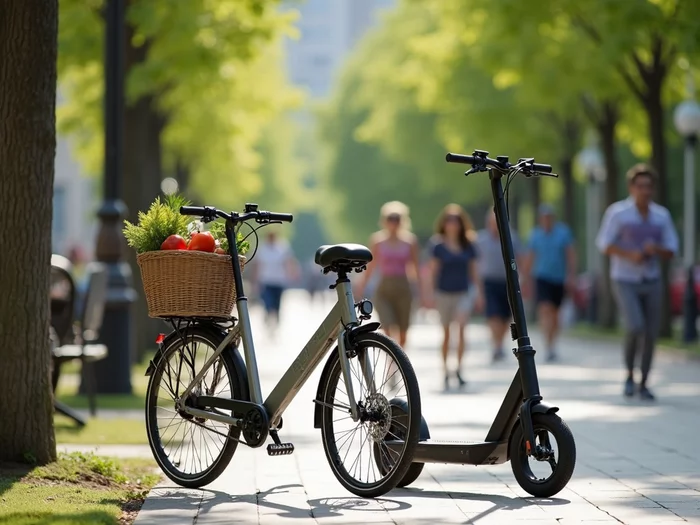
Pillar 1
Car-Free Living & Its Importance
- Reduces congestion & emissions
- Fosters community interaction
- Encourages physical fitness
Posted on: 2025-12-28
By: Samuel Albright
Have you considered how your daily commute impacts not just your lifestyle but also the environment? Exploring sustainable transportation can lead to greener urban spaces and healthier communities.
The urban landscape is evolving, and with it, our approach to transportation. Below, we highlight the four essential pillars that define sustainable urban mobility, from car-free living to smart city technologies.
As city dwellers, we often find ourselves surrounded by the hustle and bustle of urban life. But have you ever thought about the impact of our transportation choices on the environment? Understanding sustainable transportation is crucial for creating greener cities and happier communities. It’s about finding ways to move around that reduce our carbon footprint while enhancing our quality of life. Transitioning to sustainable transportation is a step every urbanite can take!
One of the most exciting aspects of living in a city is the ability to explore various modes of transportation. From biking to public transit, sustainable options abound, and they can significantly transform our urban landscapes. It’s not just about getting from point A to B; it’s about building a lifestyle that values community and the environment.
Car-free living is more than just a trend; it’s a lifestyle choice that promotes sustainability and reduces dependence on vehicles. Have you considered what it means to live without a car? Many people find that this way of life not only lessens their environmental impact but also encourages healthier habits. When you choose to walk, bike, or use public transport, you’re actively participating in the creation of a cleaner planet.
By embracing car-free living, we open the door to vibrant neighborhoods where people can connect with each other, share ideas, and feel part of a community. It’s a crucial step in the right direction for urban sustainability!
Urban mobility plays a vital role in shaping sustainable cities. The way we navigate our cities can either contribute to or hinder urban development. Have you noticed how improved transportation options can lead to revitalized neighborhoods? Efficient public transport and safe cycling paths can lead to reduced pollution and a more attractive environment for residents and visitors alike. Investing in urban mobility is investing in the future of our cities.
As we consider the future of our urban spaces, it’s clear that prioritizing sustainable transportation is essential for thriving communities. It empowers everyone, from families to businesses, to participate in the journey toward a sustainable lifestyle.
Transportation equity is a crucial aspect of sustainable urban development. It’s important to ensure that everyone, regardless of their socioeconomic status, has access to reliable and affordable transportation. Have you thought about how transportation choices affect different communities? By advocating for equitable access, we can help create cities that are inclusive and supportive of all residents. Equitable transportation options benefit everyone.
At Modern Urban Prepper, we believe that fostering equitable transportation systems is key to achieving sustainable urban living. It’s an opportunity for all city dwellers to thrive together, breaking down barriers and building connections.
Did you know? Embracing a car-free lifestyle doesn't just help the environment; it can also enhance your well-being. Studies show that individuals who walk or bike regularly report lower stress levels and improved mental health. Consider replacing short car trips with a stroll or bike ride to enjoy both the fresh air and the benefits of physical activity!
The future of urban mobility is evolving, and it presents exciting possibilities for city dwellers like us. As we strive for a more sustainable lifestyle, it's important to recognize the innovations that will shape our transportation systems. From electric vehicles to improved public transport, these changes will help us navigate our cities more efficiently while minimizing our environmental impact.
One of the most promising trends is the integration of technology into our transportation networks. This not only enhances convenience but also promotes eco-friendly options that align with our mission at Modern Urban Prepper. Embracing these advancements can empower us to make informed decisions about our daily commutes.
Several key innovations are driving the shift towards more sustainable transportation in urban areas:
As we navigate these exciting developments, it’s essential to remain engaged and informed. The more we understand these innovations, the better we can integrate them into our lives and advocate for sustainable practices in our communities.
Smart city technologies are crucial for enhancing urban mobility. These initiatives utilize data and connectivity to improve transportation systems and make them more efficient. Here are some examples of how smart technologies are making a difference:
By leveraging these technologies, we can create a more interconnected urban environment where transportation becomes less of a hassle and more of a seamless part of our day-to-day lives. This aligns perfectly with our goal at Modern Urban Prepper to foster a culture of sustainability and resilience.
Transit-oriented development (TOD) is a planning strategy that focuses on creating vibrant, walkable communities centered around public transport. This approach encourages sustainable growth by:
As urban planners and community members, we can advocate for TOD in our neighborhoods. It's about working together to ensure our cities become more livable and sustainable, reflecting our values at Modern Urban Prepper.
Here is a quick recap of the important points discussed in the article: