Solar Panels
- Harnesses sun's energy for electricity.
- Ideal for south-facing roofs.
- Reduces monthly utility bills.
- Requires optimal placement for sunlight.
Efficient Energy Solution
Posted on: 2026-01-09
By: Samuel Albright
As urban populations continue to rise, the quest for sustainability becomes increasingly urgent. Have you considered how renewable energy systems could redefine your living environment?
Understanding the core components of renewable energy is crucial for urban dwellers aiming for sustainability. Below is a comparison of three prominent systems: Solar Panels, Wind Turbines, and Geothermal Systems, highlighting their key characteristics.
As city dwellers, we often face unique challenges when it comes to energy consumption and sustainability. Have you ever thought about how renewable energy systems could transform your urban lifestyle? Not only do these systems help reduce our ecological footprint, but they also empower us to take control of our energy use in a world that is increasingly uncertain.
At Modern Urban Prepper, I believe that every urban home should consider integrating renewable energy solutions. From solar panels to geothermal systems, the options available today can significantly enhance the resilience of our homes while promoting a healthier planet. With climate change concerns growing, it’s time to explore how we can all contribute to a more sustainable future!
In a bustling city environment, the need for energy-efficient solutions becomes paramount. Urban homes, particularly those in high-density areas, can benefit immensely from renewable energy systems. These systems help lower utility bills, reduce reliance on fossil fuels, and support a cleaner environment. But why stop there?
By embracing renewable energy, we not only help ourselves but also play a part in the larger movement towards sustainability in urban settings. Isn’t it gratifying to know that your choices can have a ripple effect in your community?
As we look towards 2025 and beyond, it’s clear that sustainability is no longer just a trend; it’s a necessity. Urban areas are expected to grow, and with that growth comes increased energy demands. Making the shift towards renewable energy now can set a precedent for future generations.
In my experience, when homeowners make conscious decisions to adopt sustainable practices, it often leads to a shift in community values. This collective action can drive policy changes and inspire others to follow suit. Remember, every little step counts!
Now that we understand the benefits, let’s dive into the various types of renewable energy systems that can be tailored to urban living. The right choice depends on your specific circumstances, but each option offers unique advantages that can suit a variety of lifestyles.
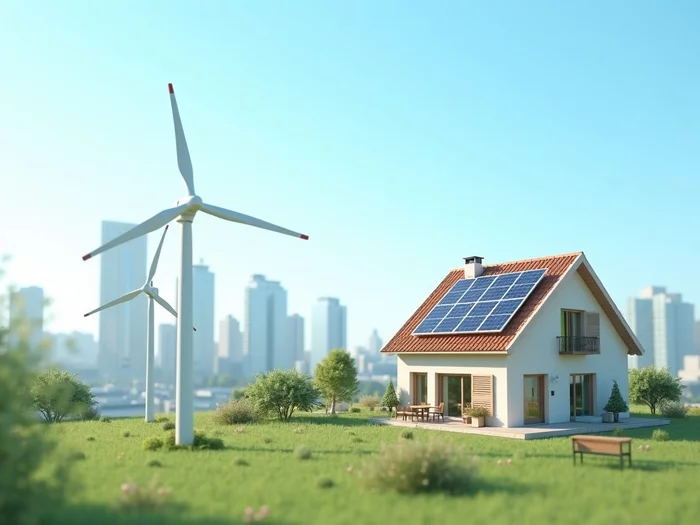
Solar panels are one of the most popular forms of renewable energy for urban homes. They harness the sun’s energy to generate electricity, which can significantly reduce monthly utility bills. But how do they truly work in a city environment?
The placement of solar panels is crucial, especially in urban settings where buildings can obstruct light. Ideally, panels should be positioned on south-facing roofs that receive maximum sunlight throughout the day. Easy access for maintenance is also essential!
Solar inverters play a vital role in converting the direct current (DC) produced by solar panels into alternating current (AC), which is the form of electricity used in our homes. It's important to choose a high-quality inverter, as it can affect the overall efficiency of your solar energy system.
Wind turbines can be another exciting option, but their feasibility in urban areas depends on several factors. Urban wind patterns can differ significantly from rural settings, which can affect energy generation.
Understanding local wind patterns is essential when considering wind energy. In cities, tall buildings can create turbulence, which may affect the efficiency of a turbine. It's important to conduct a thorough assessment before installation!
Grid-tied systems connect directly to the utility grid, allowing you to draw power when needed while providing back-up energy. Off-grid systems, on the other hand, are ideal for those who want complete independence from the grid. Which one suits your lifestyle better?
Geothermal systems utilize the earth's stable underground temperature to provide heating and cooling. This option can be particularly beneficial in dense urban environments where space is limited.
In urban areas, geothermal energy provides an efficient heating and cooling solution without the emissions associated with traditional systems. It’s a win-win for the environment and your wallet!
Heat pumps can work in tandem with geothermal systems to maximize energy efficiency. They transfer heat, rather than generate it, making them a great choice for urban homes seeking to minimize energy consumption.
When considering renewable energy systems for your urban home, think about combining different solutions. For example, integrating solar panels with a geothermal system can maximize your energy efficiency and reduce costs even further. This hybrid approach not only optimizes your energy usage but also enhances your home's resilience against fluctuating energy prices.
Integrating renewable energy solutions can significantly lower utility bills, increase property value, reduce your carbon footprint, and provide energy independence and security. It also contributes to a cleaner environment and promotes sustainability within the community.
The most suitable renewable energy systems for urban environments include solar panels (especially for south-facing roofs), wind turbines (with careful assessment of urban wind patterns, small-scale or vertical axis models are often advantageous), and geothermal systems (for efficient heating and cooling, particularly beneficial in dense areas).
Solar panel placement is crucial in urban settings due to potential obstructions from other buildings. Panels should ideally be positioned on south-facing roofs to maximize sunlight exposure throughout the day. Easy access for maintenance is also essential for optimal performance.
The viability of wind turbines in urban areas depends heavily on local wind patterns. Urban environments can have turbulent winds due to tall buildings, which may affect efficiency. Small-scale models or Vertical Axis Wind Turbines (VAWTs) are often more advantageous. A thorough wind assessment is recommended before installation.
Geothermal systems utilize the Earth's stable underground temperature for heating and cooling. They provide an efficient, sustainable solution without the emissions of traditional systems, making them ideal for dense urban environments where space is limited and environmental impact is a concern. They can also integrate with heat pumps for enhanced efficiency.
Begin by conducting a home energy audit to identify areas for efficiency improvements. Then, set a budget, choose the best renewable energy system for your home, schedule consultations with local installers for quotes, and apply for any available government incentives or tax credits.
As we wrap up our exploration of renewable energy systems, it's essential to focus on the key takeaways that will guide you towards sustainable urban living. By understanding the different types of energy solutions available and making informed decisions, you can significantly enhance your home's energy efficiency while contributing to a greener planet. Here’s what you should keep in mind:
By following these steps, you’ll be better prepared to make the transition to renewable energy, ensuring that your home is not only sustainable but also a reflection of your commitment to the environment.
Once you've grasped the essentials of purchasing renewable energy systems, the next phase is putting your plan into action. Implementation can seem daunting, but with a structured approach, you can navigate this journey smoothly. Here are some actionable steps to get started:
Taking these steps not only enhances your home’s sustainability but also boosts your confidence as you embrace renewable energy.
Joining the renewable energy community is a fantastic way to gain insights, share experiences, and learn from others who are on the same path. Engaging with like-minded individuals can provide motivation and support, making the journey more enjoyable. Here are a few ways to connect:
By sharing your own experiences and learning from others, you can deepen your understanding of renewable energy and its benefits for urban living.
Education doesn’t stop after implementing your renewable energy solutions. Continuously seeking knowledge is vital for maximizing your benefits and staying updated on industry trends. Here are some valuable resources:
Connecting with nonprofit organizations and trade associations can provide you with invaluable resources and support. These organizations often host workshops, provide educational materials, and can connect you with industry professionals:
By actively participating in the renewable energy community and taking advantage of these resources, you can continue to grow your understanding and enhance your urban living experience with sustainable practices. Together, we can foster a resilient future for our cities!
Here is a quick recap of the important points discussed in the article: